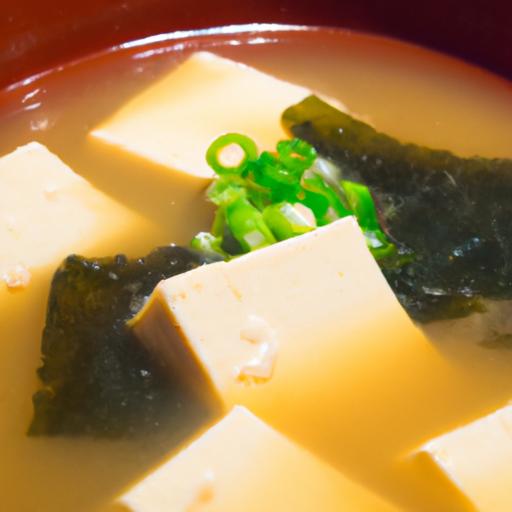

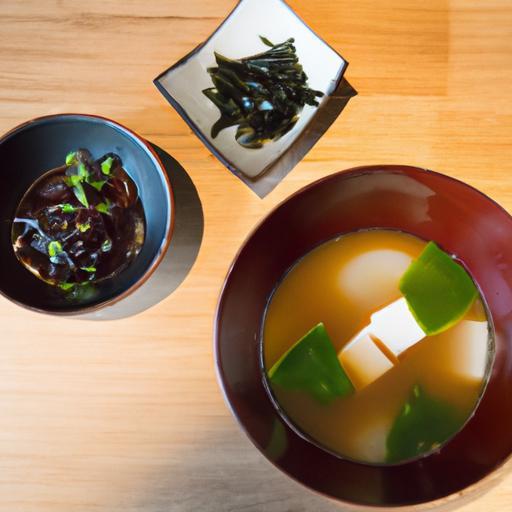
In the world of culinary wonders, few flavors evoke as much warmth and depth as umami-the elusive “fifth taste” that lingers on the palate with savory satisfaction. Among the timeless ambassadors of umami is miso soup, a humble yet profoundly nourishing japanese classic that perfectly marries tradition and simplicity. At its heart lies a delicate dance of fermented miso paste, silky tofu cubes, and tender seaweed, each ingredient contributing layers of texture and flavor that awaken the senses. Whether you’re a seasoned cook or a curious foodie, crafting miso soup with tofu and seaweed invites you to experience a soulful bowl where nature’s bounty meets culinary artistry-an umami delight that comforts, restores, and delights with every spoonful.
Umami Delights: Crafting Miso Soup with Tofu & Seaweed
Umami Delights: Crafting Miso Soup with Tofu & Seaweed invites you on a sensory journey to discover the rich depth and comforting warmth of this conventional Japanese staple. This humble soup tantalizes the palate with the perfect marriage of salty, savory, and subtly sweet flavors. Rooted in centuries of culinary heritage, miso soup is not just nourishment but a party of umami – the elusive fifth taste. As a longtime enthusiast and culinary creator, I’ve found that mastering this dish is a gateway to elevating simple ingredients into pure magic.
Prep and Cook Time
- Preparation: 10 minutes
- Cooking: 15 minutes
- Total time: 25 minutes
Yield
Serves 4 comfortably
Difficulty Level
Easy – perfect for both beginners and seasoned home cooks
Ingredients
- 4 cups of dashi broth (homemade or high-quality instant)
- 3 tablespoons white miso paste (shiro miso), smooth and mild
- 150g silken tofu, cut into ½-inch cubes
- 1 tablespoon dried wakame seaweed, soaked for 5 minutes and drained
- 2 green onions, thinly sliced on the bias
- Optional: thinly sliced shiitake mushrooms or enoki mushrooms
Step by Step Guide to Balancing Broth and Ingredients
- Prepare your dashi broth: Using quality dashi sets the foundation. For an authentic base, simmer kombu (kelp) and bonito flakes briefly, then strain. This deep sea-inspired broth defines umami and brings complexity.
- rehydrate the wakame: Soak the dried seaweed in cold water for 5 minutes until plump and fragrant. Drain and set aside-wakame adds a subtle oceanic texture that harmonizes beautifully with the soup’s softness.
- Gently warm the tofu: Carefully cube the silken tofu. Add it last to the hot broth to avoid breaking. Silken tofu’s silky texture contrasts the chewiness of wakame, offering delicate creaminess.
- Incorporate miso paste: Avoid boiling miso to preserve its probiotics and vibrant flavor. Ladle a few spoonfuls of hot (not boiling) broth into a bowl, whisk in the miso paste until smooth, and then pour the mixture gently back into the pot.
- Add green onions: Sprinkle the sliced scallions just before serving. this injects a fresh, peppery note and adds visual vibrance to the warm amber broth.
Selecting the Perfect Tofu and Seaweed for Authentic Flavor
Choosing silken tofu ensures the soup’s texture remains smooth and luscious, essential for balancing the umami richness of the broth. When selecting dried wakame,look for pieces free of discoloration and with a fresh oceany scent – this guarantees the purity of flavor. Remember, quality seaweed and tofu elevate your miso soup beyond simple broth to a layered, sensory delight. For a detailed guide on picking Japanese ingredients, check out our Complete Guide to Japanese Pantry Essentials.
tips for Elevating Your Miso Soup with Seasonal Additions
exploring seasonal spring vegetables like tender snap peas or tiny cubes of kabocha squash can add natural sweetness and crunch. In winter, incorporate earthy mushrooms or grated ginger for warmth and spice. Use matcha powder sprinkled lightly atop for a Japanese-inspired flourish. Fresh herbs such as mitsuba or shiso leaves introduce fragrant freshness. The beauty of miso soup lies in its adaptability – embrace seasonal produce,respecting the traditional base while creating new taste profiles.
Chef’s Notes and Tips for Success
- Miso types matter: Try experimenting with red miso (akamiso) or mixed miso blends to find your preferred umami depth and saltiness.
- Prevent bitterness: Never boil your soup after adding miso paste – this preserves its delicate nuances and live cultures.
- Make-ahead option: Store dashi broth separately and add miso paste and tofu just before serving to keep flavors radiant.
- Substitutions: For a vegan version, use kombu and shiitake mushroom dashi instead of bonito-based broth.
- Storage tip: Fresh wakame can be rinsed sparingly and refrigerated airtight up to 3 days.
Serving Suggestions
Pour the miso soup into delicate ceramic bowls, ideally with a subtle glaze that enhances the warm golden hue of the broth. Garnish each serving with a few vibrant green onion slices and a sprinkle of toasted sesame seeds or shichimi togarashi for a gentle spice kick. Serve alongside steamed jasmine rice and pickled vegetables for a harmonious, balanced meal.A bamboo ladle or elegant wooden spoons enhance the overall experience, allowing spoonfuls of tofu and seaweed to shine thru with each sip.

| Nutrition per Serving | amount |
|---|---|
| Calories | 90 kcal |
| Protein | 7 g |
| Carbohydrates | 6 g |
| Fat | 3 g |
Q&A
Q&A: Umami Delights – crafting Miso Soup with Tofu & Seaweed
Q1: What makes miso soup an umami powerhouse?
A1: Miso soup is a symphony of umami-the savory ”fifth taste” that tantalizes your palate. This depth comes primarily from fermented miso paste, which is a treasure trove of glutamates, naturally occurring compounds that awaken taste buds. Add to that the mineral-rich seaweed and delicate tofu, and you have a bowl brimming with savory complexity and satisfying nourishment.
Q2: Why choose tofu and seaweed as the main ingredients?
A2: Tofu and seaweed are not just complementary textures; they’re umami amplifiers. Silky tofu provides a gentle, creamy contrast to the briny, earthy notes of seaweed. Together, they create a balanced bowl that feels both comforting and refreshing. Plus, they keep the soup plant-based and packed with protein, minerals, and antioxidants.
Q3: How do different types of miso influence the flavor?
A3: think of miso like the soul of your soup-its character changes with each variety. White miso (shiro) offers a mild, slightly sweet flavor, perfect for a light and delicate broth. Red miso (aka) has a bolder, more pungent profile, adding depth and intensity. Blending misos can create nuanced layers, turning your soup into a complex umami masterpiece.
Q4: What’s the secret to cooking the perfect miso soup?
A4: The secret lies in gentle handling. Heat your dashi broth until just steaming-not boiling-before whisking in miso paste. Boiling destroys the delicate probiotics and subtle flavors.Add tofu and rehydrated seaweed last, allowing them to warm through without breaking apart. This mindful approach preserves both flavor and texture, crafting a bowl that’s silky, vibrant, and alive with umami magic.
Q5: Can I customize miso soup with other ingredients?
A5: Absolutely! Miso soup is a canvas for creativity. Add sliced scallions, enoki mushrooms, daikon radish, or even a touch of yuzu zest to enhance the flavor bouquet. For a heartier option, toss in some soba noodles or bite-sized greens like spinach. The key is to maintain balance, letting the miso’s umami shine through no matter what extras you choose.
Q6: How does miso soup fit into a healthy diet?
A6: Miso soup is a gentle detoxifier and digestive aid, thanks to its probiotic content from fermentation. It’s low in calories but rich in vitamins, minerals (especially iodine from seaweed), and plant-based protein from tofu. A nightly bowl can soothe digestion, boost immunity, and satisfy cravings for something savory yet light-a true nourishment ritual.
Q7: What’s the cultural significance of miso soup in Japanese cuisine?
A7: In Japan, miso soup is more than food-it’s tradition woven into daily life. Served with almost every meal, it’s a symbol of home and comfort, connecting generations. The soup embodies harmony-balancing flavors, seasonal ingredients, and mindful cooking-reflecting the Japanese culinary philosophy of “ichigo ichie,” savoring each moment and bite.
Embrace the umami journey with your own bowl of miso soup, and discover how simple ingredients like tofu and seaweed can transform into delightfully complex flavors. Happy slurping!
Insights and Conclusions
As the gentle aroma of simmered miso and seaweed lingers in the air, it’s clear that crafting the perfect bowl of miso soup is more than just a recipe – it’s a celebration of umami’s subtle symphony. By blending silky tofu, tender seaweed, and that rich fermented depth, you tap into a centuries-old tradition that nourishes both body and soul.So next time you crave a comforting sip, remember: this humble bowl holds a world of flavors waiting to be explored, one savory drop at a time. Dive in, savor the magic, and let umami’s quiet delight transform your kitchen into a haven of taste.