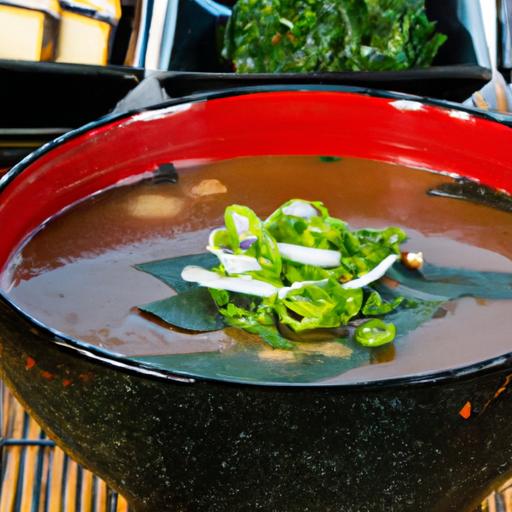

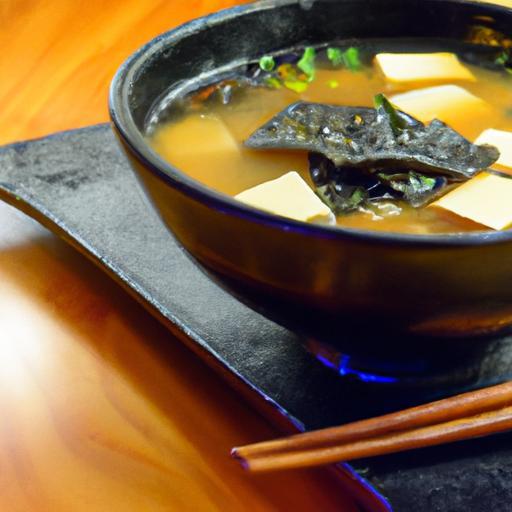
In the vast world of flavors, few tastes captivate the palate quite like umami-the savory, deeply satisfying essence that transforms a simple dish into an unforgettable experience. At the heart of this culinary magic lies miso soup,a humble yet profoundly rich creation steeped in centuries of tradition. When paired with silky tofu and delicate seaweed, this comforting broth becomes more than just a starter; it’s a gateway to understanding the secrets of Japanese cuisine’s soulful harmony. Join us as we dive into the art and science behind “Umami Delight: Miso Soup with Tofu & Seaweed secrets,” exploring how each ingredient weaves together to awaken your senses and nourish the body and soul.
Umami Delight: Miso Soup with Tofu & Seaweed Secrets
Umami Delight: Miso Soup with Tofu & Seaweed Secrets brings centuries of Japanese culinary tradition into your kitchen, transforming a simple bowl of soup into a nourishing work of art.This beloved dish balances robust deep umami flavors with delicate textures, revealing how the magic of miso, tofu, and carefully chosen seaweed varieties unite to create a soul-satisfying experience. Whether it’s a chilly evening or a moment to reconnect with wholesome flavors, this recipe promises an inspiring journey thru classic Japanese comfort food, enhanced with expert insights to make every bowl unforgettable.
prep and Cook Time
- Prep Time: 15 minutes
- Cook Time: 10 minutes
- Total Time: 25 minutes
Yield
Serves 4 generous bowls
Difficulty Level
Easy – Perfect for beginners yet customizable for seasoned cooks
Ingredients
- 6 cups water
- 1/2 cup dried kombu (kelp)
- 1/2 cup bonito flakes (katsuobushi)
- 3 tablespoons white miso paste (adjust to taste)
- 1 cup silken tofu, cut into 1/2-inch cubes
- 1/4 cup dried wakame seaweed, rehydrated
- 2 scallions, thinly sliced
- 1 teaspoon soy sauce (optional, for depth)
- 1 tablespoon sake (optional, for subtle flavor boost)
Instructions
- Prepare the Dashi Broth: In a medium pot, combine the 6 cups of water and kombu. Let it soak for 30 minutes, then slowly heat over medium-low heat. Just before it simmers, remove the kombu to avoid bitterness.
- Add Bonito Flakes: Increase heat to medium, bring the water to a gentle simmer, and add the bonito flakes. simmer for 2 minutes,then strain through a fine sieve or cheesecloth,discarding the solids. This creates your umami-rich dashi base.
- Rehydrate Wakame: While the dashi cools slightly, soak the wakame seaweed in warm water for 5 minutes. Drain and chop if pieces are too large.
- Incorporate Miso Paste: Place miso paste in a small bowl. Ladle a cup of warm (not boiling) dashi over it and whisk until smooth. Return this mixture to the pot, stirring gently over low heat. Avoid boiling after adding miso to preserve delicate enzymes and flavors.
- Add Tofu and Seaweed: Carefully fold in silken tofu cubes and the soaked wakame. Warm through gently for 2-3 minutes.
- Enhance with soy Sauce and Sake: Optional but recommended – stir in soy sauce and sake for extra flavor layers. Check seasoning and adjust miso as needed.
- Finish with Scallions: Just before serving, sprinkle thinly sliced scallions over each bowl for a fresh, peppery finish.
Chef’s notes & Tips for success
- Use high-quality miso paste (white or yellow for a mild sweetness, red for bolder depth) to shape your base umami flavor.
- Maintain temperature control: never boil the soup after adding miso to keep the broth’s umami notes fresh and complex.
- Try mixing different seaweed types-kombu for dashi depth, wakame for texture, and a pinch of arame or hijiki for a smoky twist.
- Silken tofu is preferred for its tender custard-like texture, but firm tofu can be used when a chewier bite is desired.
- To make ahead: prepare the dashi broth and all components separately. Combine and heat only before serving.
- For a vegan option, omit bonito flakes and enhance dashi depth using dried shiitake mushrooms and kombu.
- Adjust miso quantity according to taste preferences-start with less; you can always add more for stronger umami impact.
Serving Suggestions
Serve your miso soup steaming hot in traditional Japanese-style lacquer bowls or rustic ceramic mugs to highlight its comforting nature. garnish each portion with a sprinkle of toasted sesame seeds or a few delicate shreds of fresh nori for visual contrast and a subtle crunchy note. Pair with steamed jasmine rice and light pickled vegetables (tsukemono) for a classic, balanced Japanese meal.
For an elegant touch, add thinly sliced shiitake mushrooms or enoki mushrooms when warming the broth. A drizzle of chili oil or a few drops of yuzu kosho paste will also elevate the sensory experience for those who appreciate a little heat and citrus zest with their umami delight.
| Nutrient | Per Serving |
|---|---|
| Calories | 85 kcal |
| Protein | 7 g |
| Carbohydrates | 4 g |
| Fat | 3 g |
| Sodium | 750 mg |

For further inspiration on Japanese cuisine and traditional broths, check out our article on Mastering Japanese Dashi Broth. For an in-depth look at the health benefits of seaweed, visit the National Center for Complementary and Integrative Health.
Q&A
Q&A: Umami Delight – Miso Soup with Tofu & Seaweed Secrets
Q1: What makes miso soup such a beloved dish in Japanese cuisine?
A1: Miso soup is a comforting bowl of tradition, blending simplicity with depth. Its magic lies in the umami-the savory “fifth taste”-which emerges from fermented miso paste and dashi broth. This soup is not just nourishment; it’s a ritual that awakens the senses and warms the soul.
Q2: How dose tofu enhance the miso soup experience?
A2: Silky cubes of tofu add a tender contrast to the broth’s vibrant flavors. beyond texture, tofu contributes a gentle protein boost and absorbs the soup’s essence, becoming little bites of pure umami delight.It’s the perfect soft partner to miso’s robust personality.
Q3: Why is seaweed considered a secret star in this recipe?
A3: Seaweed, especially varieties like wakame, is nature’s umami powerhouse. When rehydrated, it releases subtle briny notes and minerals that deepen the soup’s complexity. It’s like a whisper from the ocean, infusing each spoonful with ancient, savory secrets.
Q4: Can miso soup be customized without losing its authentic charm?
A4: Absolutely! While traditional miso soup sticks to basics, creative cooks can add mushrooms, green onions, or even a splash of yuzu for brightness. The key is balance: honoring the umami foundation while playfully layering new flavors.
Q5: What tips ensure a perfectly flavored miso soup?
A5: Keep the dashi light and fresh-homemade kombu and bonito broth is ideal.When adding miso paste, dissolve it gently off the heat to preserve its nuances. Lastly, fold in tofu and seaweed delicately, so every ingredient sings in harmony, creating that unforgettable umami symphony.
Q6: Is miso soup healthy beyond its delicious taste?
A6: Definitely! Miso is fermented, promoting gut health and offering beneficial probiotics. The soup is low in calories but rich in vitamins, minerals, and complete proteins from tofu. Plus, seaweed packs iodine and antioxidants, making this umami delight a bowl of wellness.
Q7: What’s the cultural meaning behind sharing miso soup?
A7: Sharing miso soup is sharing comfort and connection. It’s often the first dish to greet a Japanese meal, symbolizing hospitality and care. Serving it is an invitation to savor tradition, nourish the body, and celebrate simple, soulful flavors together.
Dive spoon-first into miso soup, and you discover a world where humble ingredients weave an umami tale-one of tofu’s silkiness, seaweed’s ocean whispers, and soulful warmth in every slurp.
Insights and Conclusions
As the warm, savory notes of miso soup linger on your palate, you begin to appreciate the timeless harmony of its simple ingredients-silken tofu, briny seaweed, and the rich umami essence that binds them all. This humble bowl is more than just comfort food; it is a gateway to centuries of culinary tradition and a testament to the art of balancing flavors.Whether enjoyed as a starter or a soothing main, the secrets of miso soup remind us that sometimes, the most profound delights come from the purest, most unassuming combinations. So next time you savor that gentle broth, take a moment to celebrate the umami magic quietly simmering beneath the surface-your own little pot of nourishment and nostalgia.