
In the heart of Japan’s culinary tapestry lies a humble yet profound comfort: soba, the slender buckwheat noodle that has warmed generations. More then just a meal,savoring soba is a journey through time,culture,and craftsmanship-a delicate balance of texture and flavor that invites you to slow down,breathe in the fragrant broth,and connect with a tradition steeped in history. From bustling Tokyo street stalls to serene mountain inns, this noodle soup tells stories of seasonal harmony, regional pride, and mindful eating. Join us as we unravel the rich layers of soba, exploring its origins, planning, and the warm embrace it offers in every slurp.
savoring soba is not just about tasting a dish; it’s an immersive experience that connects you deeply with Japan’s rich culinary heritage.Hand-made soba noodles bring an earthy texture and nutty flavor that elevate every slurp, while a thoughtfully crafted broth provides the warm, umami heart that embraces these tender strands. The delicate balance of ingredients and technique is what transforms simple soba into soulful nourishment,evoking memories of cold winter days in rustic mountain towns or tranquil dimly-lit soba shops bustling with locals.
Prep and Cook Time
- Preparation: 40 minutes (including dough resting)
- Cooking: 15 minutes
- Total: 55 minutes
Yield
Serves 4 generously
Difficulty Level
Medium – requires patience and some practice with dough handling
Ingredients
- For the hand-Made Soba Noodles:
- 2 cups buckwheat flour (sobako), sifted
- 1 cup all-purpose flour, sifted
- 3/4 cup cold water (adjust as needed)
- For the Broth (Tsuyu):
- 5 cups dashi stock (prepared from kombu and bonito flakes)
- 1/4 cup soy sauce
- 1/4 cup mirin
- 1 tablespoon sake
- 1 teaspoon sugar
- Essential Toppings and Garnishes:
- Thinly sliced negi (Japanese green onions), washed and drained
- Grated fresh wasabi or wasabi paste
- Toasted nori seaweed strips
- tempura flakes (tenkasu) or crushed roasted sesame seeds
- Lightly blanched spinach or blanched mushrooms (optional)
Instructions
- Prepare the Soba Dough: In a large bowl, combine the buckwheat flour and all-purpose flour. Gradually add cold water while mixing gently with your fingers until all the flour is incorporated. Add more water (one tablespoon at a time) if the dough feels too dry. Aim for a firm but pliable consistency.
- Knead the dough: Transfer to a clean surface and knead for about 10 minutes until the dough feels smooth and elastic. Cover with a damp cloth and let rest for 20 minutes to relax the gluten and hydrate the flours fully.
- Roll and Cut Noodles: Lightly dust your work surface with buckwheat flour.Roll the dough into a thin, even rectangle approximately 2mm thick. Fold the dough gently in thirds and use a sharp knife to cut noodles about 2-3mm wide. Carefully separate and dust with flour to prevent sticking.
- Make the Broth: In a pot, combine dashi stock, soy sauce, mirin, sake, and sugar. Bring to a gentle simmer over medium heat while occasionally stirring to dissolve the sugar. Remove from heat once well combined.
- Cook the Noodles: Bring a large pot of water to a rolling boil. Add the soba noodles and gently stir to prevent clumping. Cook for approximately 2-3 minutes or until noodles float and reach desired tenderness. Immediately drain and rinse under cold running water to stop cooking and remove excess starch.
- Reheat Noodles (Optional): For warm serving, briefly dunk noodles into simmering water again for 30 seconds, then drain.
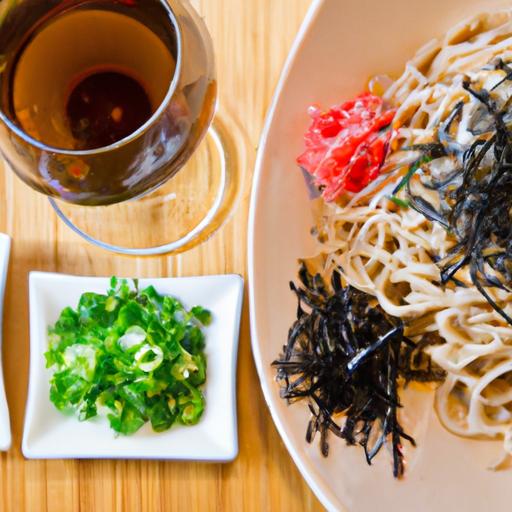
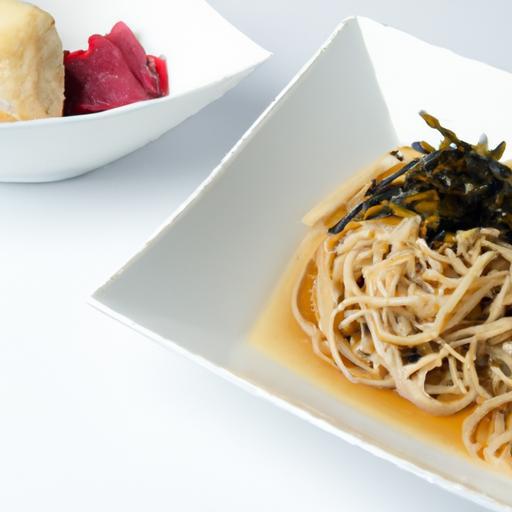
- Assemble the Bowl: Place soba noodles in serving bowls and pour hot broth over them. Arrange toppings such as sliced negi, wasabi, nori strips, and tempura flakes artistically on top for bursts of flavor and texture.
Tips for Success
- Flour ratio: Authentic soba frequently enough uses 100% buckwheat, which can be crumbly. Adding all-purpose flour enhances elasticity for easier rolling and cutting.
- Water Temperature: Always use cold water for dough preparation to prevent gluten from developing too quickly, ensuring a tender noodle texture.
- Resting the dough is crucial-don’t skip it. It improves the dough’s workability and results in smooth noodles.
- For a clearer broth, strain your dashi well and simmer gently to preserve delicate umami flavors.
- Make-ahead: The broth can be prepared a day in advance and refrigerated. Reheat gently before serving.
- Experiment with regional toppings: try adding yuzu zest for a refreshing aroma or incorporate tempura shrimp for heartier bowls.
Serving Suggestions
Present your soba in conventional lacquerware bowls to enhance the authentic experience. Garnish with a few sprigs of mitsuba or shiso leaves for color contrast. Serve alongside pickled ginger or a small dish of grated daikon radish to refresh the palate after each warming sip. A side of chilled green tea or sake pairs beautifully with this meal, balancing the earthy, savory undertones.
| Nutrient | Per Serving |
|---|---|
| calories | 310 kcal |
| Protein | 10 g |
| Carbohydrates | 56 g |
| Fat | 2 g |

Discover more about the cultural roots of Japan’s regional soba variations.For authentic dashi preparation techniques, visit the extensive guide at Just One Cookbook.
Q&A
Q&A: Savoring Soba: A Warm Journey Into Japan’s Noodle Soup
Q1: What exactly is soba, and why is it so beloved in japan?
A1: Soba are thin noodles crafted from buckwheat flour, celebrated for their nutty flavor and firm texture. Beyond mere sustenance, soba embodies centuries of Japanese tradition, connecting the eater to regional harvests, seasonal rituals, and a culture that reveres simplicity and balance in food. Whether enjoyed chilled in summer or steaming in a bowl of broth during winter, soba offers comfort and vitality in every slurp.
Q2: How did soba become a staple in Japanese cuisine?
A2: Buckwheat was introduced to Japan around the 8th century, flourishing in mountainous terrains where rice cultivation was challenging. Over time, locals refined buckwheat into noodles, turning soba into an accessible, nutritious meal. By the Edo period (1603-1868), soba shops flourished in Tokyo, cementing the noodle’s status not just as everyday fare but also as a cultural icon symbolizing longevity and good fortune.
Q3: What makes soba soup different from other Japanese noodle soups like ramen or udon?
A3: Soba soup is distinguished by its subtle, harmonious flavor profile.The broth-typically made from dashi (a delicate stock of kombu seaweed and dried bonito flakes), soy sauce, and mirin-plays a supporting role that lets the earthy buckwheat noodles shine. Unlike ramen’s rich, often fatty broths or the thick chewiness of udon noodles, soba offers a lighter, cleaner canvas that celebrates balance and seasonality.
Q4: Are there regional variations of soba across Japan?
A4: Absolutely! From the snowy landscapes of Nagano Prefecture-home to “Shinshu soba,” prized for its pure buckwheat taste-to the Kanto region’s heartier,darker broths,each area imbues soba with local character. Some regions add mountain vegetables, wild herbs, or unique dipping sauces, turning soba from a simple dish into a storyteller of place and tradition.
Q5: How should one properly enjoy a bowl of hot soba soup?
A5: Savoring soba is an art of mindfulness.Begin with inhaling the umami-rich aroma rising from the bowl. Use chopsticks to lift a modest portion, then slurp gently but audibly-this enhances flavor perception and honors Japanese eating etiquette. Between bites, you might sip the broth directly or alternate with side dishes like tempura or pickles.the goal: a meditative thankfulness of textures, tastes, and warmth.
Q6: Can soba be incorporated into modern or fusion cuisine?
A6: Definitely! Contemporary chefs worldwide experiment with soba-pairing it with unconventional broths, adding fusion toppings like pesto or grilled meats, or using buckwheat noodles in salads and cold dishes beyond tradition.Yet, even in innovation, soba’s essence-its grounding earthiness and cultural resonance-remains the guiding star.
Q7: What cultural or seasonal significance does soba hold in Japan?
A7: Soba is woven into Japan’s calendar and customs. The tradition of eating “Toshikoshi soba” (year-crossing soba) on New Year’s Eve symbolizes cutting off the hardships of the past year and welcoming longevity.Seasonal soba festivals celebrate local harvests, and regional varieties align with nature’s rhythms, making each bowl a ceremonial passage through time and taste.
Embarking on the warm journey into soba soup is more than a meal-it’s tasting a living tapestry of Japanese heritage, crafted noodle by noodle, broth by broth.
Closing Remarks
As the last slurp of soba warms both palate and spirit, we find that this humble bowl is more than just a meal-it’s a tapestry of history, culture, and comfort woven into Japan’s culinary soul. Savoring soba invites us to slow down, appreciate craftsmanship, and connect with centuries-old traditions simmering beneath each fragrant broth.Whether enjoyed in a bustling Tokyo eatery or a quiet mountain village, soba offers a delicious passage into the heart of Japan’s flavor and heritage-a warm journey worth every bite.