
Ther’s a certain magic in a steaming bowl of minestrone soup-a harmonious melody of fresh vegetables, herbs, and hearty beans simmered to perfection. Rooted deep in italian culinary tradition,minestrone is more than just a soup; it’s a vibrant festivity of seasonal produce and rustic simplicity that has warmed kitchens and hearts for generations. In this guide,we’ll take you on a flavorful journey through the art of crafting authentic Italian minestrone,sharing time-honored techniques and tips to help you savor every spoonful of this timeless classic. Get ready to embrace tradition, tantalize your taste buds, and bring a little taste of Italy into your home.
Savor Tradition: Authentic Italian Minestrone Soup Recipe Guide immerses you in the heartfelt story of one of Italy’s most beloved dishes. Rooted deeply in Italian peasant culture, minestrone soup has been a staple for centuries, crafted from the freshest seasonal vegetables and humble pantry staples. This hearty, soul-warming soup celebrates a mosaic of textures and flavors, from crunchy beans and tender greens to savory broth enriched with herbs and the subtle sweetness of ripe tomatoes. Its enduring popularity lies in its adaptability and the way it brings families to the table, making every spoonful a connection to Italy’s rich culinary heritage.
Prep and Cook Time
Readiness: 20 minutes | Cooking: 1 hour | Total Time: 1 hour 20 minutes
Yield
Serves 6 generously
Difficulty Level
Medium - Perfect for home cooks seeking a rewarding,hands-on experience with authentic flavors
Key Ingredients That Bring Minestrone to Life
- 2 tbsp extra virgin olive oil – the aromatic base that enhances all flavors
- 1 medium onion,finely chopped – adds sweetness and depth
- 2 cloves garlic,minced – warming and fragrant
- 2 celery stalks,diced - for subtle earthiness and crunch
- 2 medium carrots,diced – lends a gentle natural sweetness
- 1 medium zucchini,diced - adds tender,fresh texture
- 1 cup green beans,cut into 1-inch pieces – a radiant vegetal accent
- 1 can (14 oz) diced tomatoes – brings a rich,tangy foundation
- 4 cups vegetable broth – the soul of the soup,simmered slowly
- 1 cup cannellini beans,drained and rinsed – creamy and filling
- 1 tsp dried oregano – aromatic with a hint of Mediterranean warmth
- 1 tsp fresh thyme leaves – fresh herbaceous notes
- 1 cup chopped kale or spinach – adds vibrant color and nutrients
- 1/2 cup small pasta shapes (e.g., ditalini, elbow macaroni) – a classic minestrone touch
- Salt and freshly ground black pepper, to taste
- Grated Parmesan cheese, for garnish (optional)
- Fresh basil leaves, for finishing (optional)
Step-by-Step Preparation for the Perfect Minestrone
- Heat olive oil in a large heavy-bottomed pot over medium heat. Add the onion, garlic, celery, and carrots.Sauté until softened and fragrant, about 7 minutes, stirring occasionally to avoid browning too much.
- Add zucchini and green beans. Cook for another 5 minutes, allowing the vegetables to release their natural sweetness and slightly caramelize.
- Pour in the diced tomatoes with their juices and stir well,scraping the pot to lift any browned bits for added flavor.
- Add the vegetable broth, oregano, thyme, salt, and pepper. Bring the mixture to a gentle boil.
- Once boiling, reduce heat to a simmer. Stir in the cannellini beans and let simmer uncovered for 25 minutes, allowing flavors to meld and the broth to intensify.
- In a separate pot, cook the pasta until just al dente. Drain and set aside.
- Ten minutes before serving, add the kale or spinach to the soup to wilt softly without losing its vibrant hue.
- Stir the cooked pasta into the soup. adjust seasoning to taste, adding more salt or pepper if desired.
- Ladle the soup into warm bowls and garnish each with freshly grated Parmesan cheese and a sprinkle of chopped basil for extra aroma and color.
Tips for Customizing Minestrone to Suit Your Taste
- Vegetable swaps: Feel free to replace seasonal vegetables based on availability-try peas, corn, or even pumpkin for different spins.
- protein boost: Add cooked Italian sausage or shredded chicken for a heartier version, or use extra beans for a vegetarian protein lift.
- Broth choice: For richer depth, substitute vegetable broth with homemade chicken stock or mushroom broth.
- Grain alternatives: Swap pasta for rice,barley,or quinoa to accommodate dietary preferences or add texture variety.
- Make-ahead instructions: Minestrone often tastes better the next day; cool completely and store in an airtight container in the fridge for up to 3 days. Reheat gently, adding extra broth if thickened.
Serving Suggestions
Serve your minestrone steaming hot, accompanied by thick slices of crusty Italian bread or a warm focaccia to soak up every last drop. A drizzle of quality extra virgin olive oil over each bowl elevates the richness, while a dusting of parmesan adds savory umami. For an authentic touch, offer fresh lemon wedges or a sprinkle of crushed red pepper flakes for those who like a bit of heat. Pair with a crisp Italian white wine like pinot grigio or a light Chianti rosé to complete this nourishing and convivial meal.
| Nutrient | Amount (per serving) |
|---|---|
| Calories | 220 |
| Protein | 10g |
| Carbohydrates | 35g |
| fat | 5g |
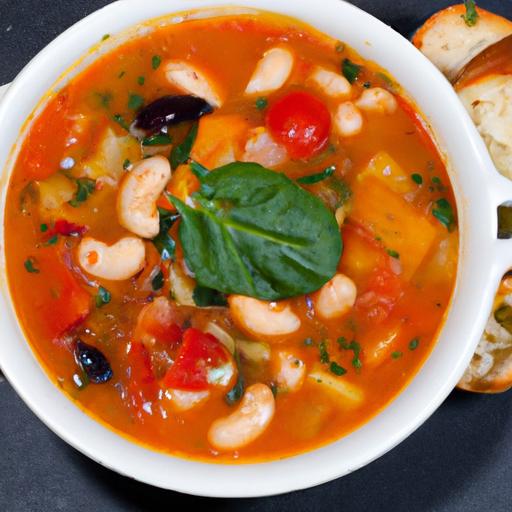
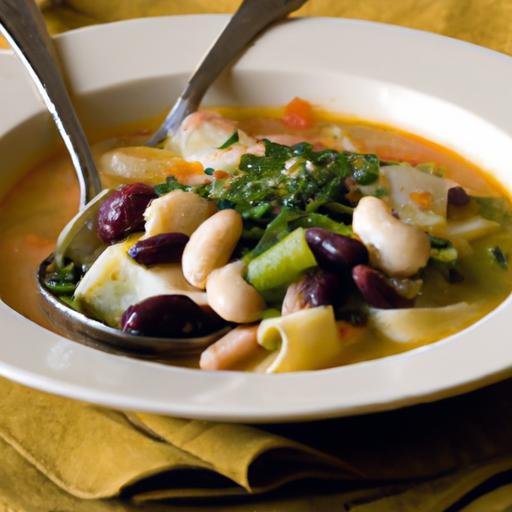
Image: A rustic bowl of steaming Italian minestrone soup, vibrant with fresh vegetables and sprinkled with Parmesan. ALT: Savor Tradition Authentic Italian Minestrone soup Recipe Guide
For more Italian classics, explore our collection of comforting Italian soups. Discover the cultural roots of minestrone at Britannica’s Minestrone History.
Q&A
Q&A: Savor Tradition – Authentic Italian Minestrone Soup Recipe Guide
Q1: What makes minestrone soup a staple in Italian cuisine?
A1: Minestrone is more than just a soup; it’s a hearty celebration of Italy’s agricultural bounty. Traditionally crafted with fresh seasonal vegetables, beans, and a touch of olive oil, it reflects the country’s love for simple, wholesome ingredients that nourish both body and soul. Its versatility and regional variations make it a beloved staple across Italian households.
Q2: Which key ingredients define an authentic Italian minestrone?
A2: Authentic minestrone boasts a colorful medley of vegetables such as zucchini, carrots, celery, tomatoes, and green beans. Cannellini or borlotti beans are essential for that creamy texture, while a base of sautéed onions, garlic, and a fragrant vegetable broth sets the scene. A sprinkle of fresh herbs like basil or parsley and a drizzle of extra virgin olive oil finishes this rustic masterpiece.
Q3: How do regional differences influence the minestrone recipe?
A3: Italy’s diverse climates gift each region with unique produce, which in turn colors their minestrone.In Liguria, for example, the soup might feature pesto or potatoes, while in Tuscany, hearty greens like cavolo nero are prominent. These variations celebrate local flavors while maintaining the soul of the dish – a vibrant,comforting vegetable stew.
Q4: Can minestrone be made vegetarian or vegan without losing authenticity?
A4: Absolutely! Traditional minestrone is inherently plant-based, relying on vegetables and beans for depth and heartiness.Using vegetable broth instead of meat stock keeps the dish vegan-kind without compromising its rich, layered flavors. Feel free to finish with a sprinkle of nutritional yeast or vegan Parmesan to maintain that cheesy nuance.
Q5: What are some pro tips for making the perfect minestrone?
A5: Start with fresh, seasonal vegetables to capture the authentic taste.Don’t rush the sautéing of your aromatics-this builds the soup’s foundation.Remember, minestrone is meant to be thick and chunky; cook your pasta or rice separately and add just before serving to avoid mushiness. Lastly, give it time-letting minestrone rest allows the flavors to meld beautifully, creating a truly comforting bowl of tradition.
Q6: How should minestrone be served for an authentic italian experience?
A6: Serve minestrone steaming hot in rustic bowls, accompanied by crusty Italian bread for dipping. A final touch of freshly grated Parmesan or Pecorino Romano elevates each spoonful.Whether enjoyed as a light lunch or a warming dinner, pairing it with a glass of crisp white wine or sparkling water completes the authentic Italian dining ritual.
Q7: Can minestrone be frozen for future enjoyment?
A7: yes! minestrone freezes exceptionally well, making it a practical choice for busy days. To preserve texture, cook your pasta or rice separately and add fresh servings when reheating. Freeze the soup in airtight containers, and you’ll have a comforting Italian classic ready to warm your heart anytime.
Savoring authentic Italian minestrone is like tasting a story steeped in tradition – one spoonful invites you into the vibrant, sun-soaked gardens of Italy, where every ingredient sings with history and love. Buon appetito!
Concluding Remarks
As you ladle your homemade minestrone into bowls, remember that this humble soup is more than just a meal-it’s a celebration of Italy’s rich culinary heritage, brimming with fresh ingredients and time-honored flavors. By savoring each spoonful, you’re not only nourishing your body but also honoring generations of tradition that have perfected this vibrant, comforting dish. Whether shared with family around the table or enjoyed as a quiet moment of warmth, authentic Italian minestrone invites you to experience the heart and soul of Italy in every appetizing bite. So,roll up your sleeves,embrace the art of slow cooking,and let this classic soup transport you to the sun-drenched kitchens of the italian countryside. Buon appetito!