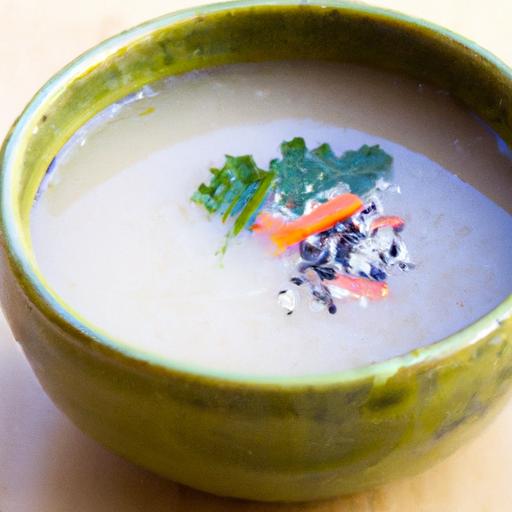

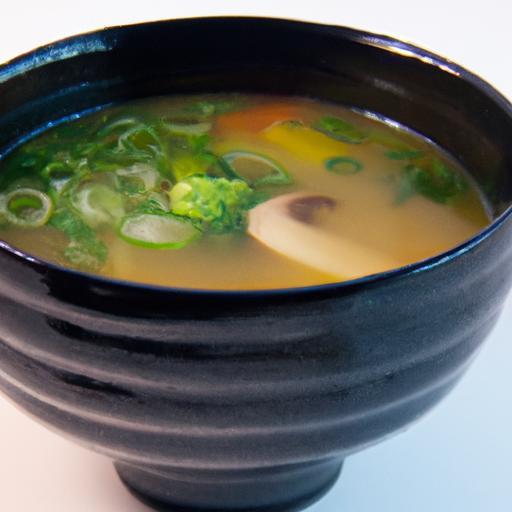
In the delicate dance of flavors that define Japanese cuisine, miso soup stands as a timeless emblem of comfort and tradition. Yet,beyond its humble appearance lies a world of complexity waiting to be uncovered-especially when crafted as a vibrant vegetarian masterpiece.”Savor the Secrets: Crafting Perfect Vegetarian Miso Soup” invites you on a culinary journey where ancient techniques meet fresh, plant-based innovation. Whether you’re a seasoned cook or a curious foodie, this guide will reveal the artful balance of umami, texture, and aroma that transforms simple ingredients into a soul-warming elixir. Prepare to awaken your senses and elevate your kitchen repertoire with every savory spoonful.
Savor the Secrets: Crafting Perfect vegetarian Miso Soup begins with an unyielding dedication to ingredient quality. The essence of this soul-soothing dish lies not just in its simplicity but in the deliberate selection and harmonious marriage of each component, which elevates humble miso soup into a masterpiece of flavor and comfort.
prep and Cook Time
- Planning Time: 15 minutes
- Cooking Time: 10 minutes
- Total Time: 25 minutes
Yield
- Serves 4 generously
Difficulty Level
- Easy - Perfect for all skill levels
Ingredients
- 6 cups vegetable broth, low sodium
- 3 tbsp white (shiro) miso paste, smooth texture
- 2 tbsp red (aka) miso paste, for depth and umami
- 1 cup fresh shiitake mushrooms, thinly sliced
- 1 medium carrot, julienned
- 1 cup snow peas, trimmed and halved
- 1 block (14 oz) silken tofu, diced into 1/2-inch cubes
- 3 green onions, thinly sliced (green and white parts separated)
- 1 tbsp wakame seaweed, soaked and drained
- 1 tsp toasted sesame oil (optional)
- pinch of freshly ground white pepper
Instructions
- Prepare the broth: Heat the vegetable broth over medium heat until it just begins to simmer. Avoid boiling to preserve delicate flavors.
- Rehydrate wakame: Soak the wakame seaweed in warm water for 5 minutes until softened. Drain and chop roughly.
- Combine miso pastes: In a small bowl, whisk together the white and red miso pastes until smooth. Mixing the two offers a balance of sweetness and robust umami that enhances the soup’s complexity.
- Cook vegetables: Add the shiitake mushrooms, carrots, and snow peas to the simmering broth. Sauté gently for 5 minutes until the vegetables are tender-crisp, stirring occasionally to prevent sticking.
- Add tofu and wakame: Stir in the diced tofu and chopped wakame seaweed. Heat through for 2-3 minutes but do not let boil – too-hot temperatures can weaken the miso’s delicate character and tofu texture.
- Temper and blend miso: Ladle about 1 cup of warm broth into the miso mixture and stir until smooth. Pour this back into the pot,stirring gently to combine. This tempering step prevents clumping and preserves the paste’s aroma.
- Finish with seasoning: Turn off the heat and stir in the white pepper and sesame oil for fragrance. Garnish with white parts of the green onions.
- Serve and garnish: Ladle soup into bowls and sprinkle the green parts of the sliced green onions on top for freshness and vibrant color.
Expert tips for Success
- Choosing miso: Select miso pastes with clear labels on fermentation time-shorter for sweeter white miso, longer for earthy red. Combining these two types creates a dynamic umami profile essential for rich vegetarian miso soup.
- Vegetable balance: Seasonal, crisp vegetables add freshness and texture contrast. Swap shiitake for enoki or oyster mushrooms, or add baby bok choy during colder months for an added vitamin boost.
- Temperature control: never boil miso paste or tofu; prolonged high heat breaks down the live probiotics in miso and toughens tofu.Remove the pot from heat just before adding miso paste.
- Make-ahead & storage: Store broth and vegetables separately from miso paste in the fridge. Combine just before serving for the freshest taste and optimal texture.
- Visual appeal: use vibrant vegetables cut uniformly for a polished look. A drizzle of sesame oil and a sprinkling of fresh green onions visually enhance your serving bowl.
Serving Suggestions
Present this nourishing soup in traditional Japanese-style lacquerware or simple ceramic bowls that hold heat well and showcase the golden broth. Accompany with a side of warm, steamed jasmine rice or a light cucumber sunomono salad for a balanced meal.
For garnish, consider a small leaf of shiso herb or a sprinkle of toasted sesame seeds. Serve with elegant chopsticks and a small porcelain spoon to fully appreciate the flavors and textures.

| Nutrient | Per Serving |
|---|---|
| Calories | 120 kcal |
| Protein | 8g |
| Carbohydrates | 10g |
| Fat | 4g |
For further exploration, see our detailed Vegetarian Japanese Dishes Guide to complement this miso soup. Deepen your understanding of miso fermentation and health benefits at the journal of Food Processing and Preservation.
Q&A
Q&A: savor the Secrets – Crafting Perfect Vegetarian Miso Soup
Q1: What makes miso soup a beloved staple in Japanese cuisine?
A1: Miso soup is the soul-soothing elixir of Japanese dining-a harmonious blend of umami,warmth,and simplicity. Its roots trace back centuries, serving as both a nourishing start and a gentle conclusion to meals. The magic lies in its fermented miso paste, which transforms humble ingredients into a symphony of flavor that comforts and delights.
Q2: Why choose a vegetarian version of miso soup?
A2: A vegetarian miso soup celebrates the vibrant, earthy richness of plant-based ingredients without compromising depth or complexity. It’s a celebration of vegetables, seaweed, and tofu-each ingredient offering layers of texture and nutrition. For vegetarians and those seeking lighter fare, it’s a perfect bowl of wholesome goodness, free from fish or meat but full of character.
Q3: What is the key to achieving a perfectly balanced miso soup broth?
A3: The cornerstone is your dashi-or broth. While traditional dashi frequently enough includes bonito flakes, vegetarian versions rely on kombu (kelp) and shiitake mushrooms to create a deeply savory base. The secret is gentle, slow simmering, extracting powerful umami without overpowering bitterness. This nuanced broth acts as the canvas upon which the miso paints its rich, tangy flavor.
Q4: How do you know what type of miso paste to use?
A4: Miso paste comes in many varieties-white (shiro), yellow (shinshu), and red (aka)-each with distinct flavors. White miso is mild and sweet, ideal for delicate broths; red miso is robust and salty, lending boldness; yellow sits comfortably in between. For a vegetarian miso soup that’s approachable yet flavorful, white or mellow yellow miso often creates the perfect harmony.
Q5: What vegetarian ingredients elevate the soup’s texture and taste?
A5: Silken tofu lends creamy softness, contrasting beautifully with the tender bite of wakame seaweed. Fresh greens like spinach or mitsuba add vibrancy and freshness. Sliced shiitake mushrooms introduce earthy depth, while grated ginger or scallions can brighten the palate. Each component plays a part in an intricate dance of flavors and textures.
Q6: How do you properly incorporate miso paste without ruining its health benefits or flavor?
A6: Heat is the enemy of miso’s probiotics and delicate taste. Always add miso paste at the very end of cooking, off the heat or over very low heat. Gently dissolve it in a ladle of hot broth before stirring it back,ensuring it melds smoothly without boiling-preserving its live cultures and nuanced aroma.Q7: Any tips for presenting vegetarian miso soup like a pro?
A7: Serve your miso soup piping hot in minimalist bowls to showcase its subtle colors. Garnish with finely sliced scallions, a sprinkle of sesame seeds, or a touch of yuzu zest to tantalize the senses. Steaming aroma and visual simplicity enhance the soulful experience, inviting diners into a moment of mindful savoring.
Q8: Can miso soup be customized for seasonal flavors?
A8: Absolutely! Miso soup is wonderfully adaptable. Spring might bring tender asparagus and peas, summer could add refreshing cucumber ribbons, autumn welcomes hearty root vegetables and mushrooms, while winter comforts with daikon and warming spices like a hint of chili.Embrace the seasons to keep every bowl exciting and alive.
Crafting the perfect vegetarian miso soup is an art of balance and respect-honoring tradition while inviting creativity. With these insights, your kitchen can become a sanctuary where ancient flavors and modern mindfulness intertwine in every spoonful.
Insights and Conclusions
As you embark on your own journey to craft the perfect vegetarian miso soup, remember that this humble bowl carries centuries of tradition and a symphony of subtle flavors. By savoring each step-from selecting quality miso to balancing umami-rich ingredients-you unlock not just a recipe, but a comforting ritual that nourishes both body and soul. Whether enjoyed as a soothing starter or a wholesome meal, your miso soup becomes a testament to the art of simple, mindful cooking. So go ahead, stir gently, taste deeply, and let every spoonful tell the savory secrets of vegetarian miso mastery.