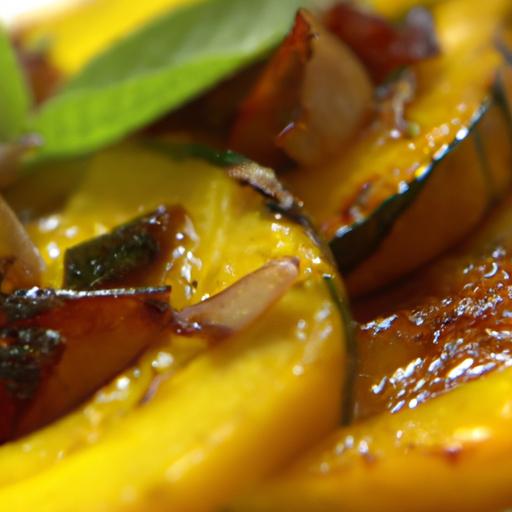

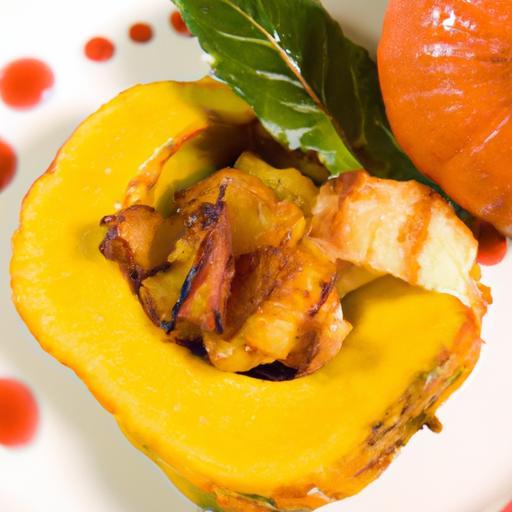
There’s something undeniably enchanting about the humble acorn squash-a vibrant orb of autumn’s bounty packed with subtle sweetness and a tender,buttery texture. Yet, unlocking its full potential requires more than just roasting or steaming. Enter the art of sautéing: a culinary technique that transforms this season’s favorite from ordinary to extraordinary. In “Savor the Flavor: Mastering the Art of Sautéed Acorn Squash,” we’ll journey beyond the basics to explore how the perfect pan,the right oil,and a dance of spices can elevate acorn squash into a dish that sings with warmth,depth,and irresistible charm. Whether you’re a kitchen novice or a seasoned cook, get ready to embrace a new way of savoring this golden gem.
Savor the Flavor: Mastering the Art of Sautéed Acorn Squash begins with selecting the ideal squash to ensure every bite bursts with sweetness and tender texture. Acorn squash, with its distinct ribbed skin and vibrant orange flesh, holds the promise of nutty, rich flavors that caramelize beautifully when sautéed. Choosing the perfect specimen and applying the right techniques transforms this humble winter squash into a gourmet side or centerpiece that delights the palate and captivates the eye.
Prep and Cook Time
- Preparation: 15 minutes
- Cooking: 15 minutes
- Total Time: 30 minutes
Yield
Serves 4 generous portions
Difficulty Level
Easy to Medium – perfect for home cooks seeking a flavorful and visually stunning vegetable dish
Ingredients
- 2 medium acorn squash (about 1 to 1½ pounds each), halved and seeded
- 3 tablespoons unsalted butter or olive oil
- 1 teaspoon kosher salt
- ½ teaspoon freshly ground black pepper
- 1 tablespoon brown sugar or pure maple syrup (optional, for caramelization)
- 2 garlic cloves, minced
- 1 teaspoon fresh thyme leaves, chopped (or ½ teaspoon dried thyme)
- 1 tablespoon apple cider vinegar or lemon juice
- Fresh parsley for garnish
Instructions
- Select and prepare your squash. Start by choosing acorn squash with firm skin, free of blemishes or soft spots. The darker green the rind with hints of orange, the sweeter the flesh tends to be. Slice each squash carefully in half lengthwise and scoop out seeds and stringy pulp with a spoon. for an even sauté, slice each half into ½-inch thick crescent-shaped pieces.
- Preheat your skillet. Place a heavy-bottomed sauté pan over medium-high heat. Add the butter or olive oil and allow it to shimmer but not smoke.
- Sauté the squash. Add the acorn squash slices in a single layer to the pan. Avoid overcrowding to ensure proper sear growth. Season with salt and pepper. Let them cook undisturbed for about 4-5 minutes to achieve a golden-brown crust before flipping.
- Add flavor and finish cooking. Flip the squash pieces, then immediately sprinkle brown sugar or drizzle maple syrup to enhance caramelization. Add minced garlic and thyme, stirring gently as you sauté for an additional 5-7 minutes, or until the squash is tender and glossy.
- Brighten with acidity. Just before finishing, pour the apple cider vinegar or lemon juice over the squash and toss to coat evenly. this adds a vibrant contrast and lifts the natural sweetness.
- Plate and garnish. Transfer sautéed acorn squash to a serving dish. Sprinkle fresh parsley on top to add color and freshness.
Tips for Success
- Uniform Slices: Cutting the squash into uniform thickness ensures even cooking and consistent caramelization.
- Patience with Searing: Resist moving the squash too frequently; let it develop a rich golden crust before flipping.
- Butter vs. Oil: Butter provides a rich, nutty flavor that complements the squash, but olive oil works well for a lighter option or vegan adaptation.
- Flavor Variations: Experiment with warming spices like cinnamon or smoked paprika for a cozy twist.
- Make-Ahead: Sautéed acorn squash can be made a day ahead and gently reheated; the flavors deepen over time.
Creative Flavor Combinations
To truly savor the flavor of sautéed acorn squash, consider elevating it with complementary ingredients. A sprinkle of crumbled feta or goat cheese introduces a tangy creaminess that contrasts beautifully with the squash’s natural sweetness. Toasted pecans or walnuts add a delightful crunch and toasty note, while a drizzle of balsamic glaze brings a sophisticated acidity. For herb lovers, fresh sage or rosemary interwoven with thyme can transport your palate to rustic, woodsy landscapes. For a subtle heat, a light dusting of chili flakes invigorates without overpowering.
Serving Suggestions
Serve this dish as a standout side alongside roasted meats such as pork tenderloin or herb-rubbed chicken. For a vegetarian meal, pair it with a wild rice pilaf or atop a bed of sautéed kale for a hearty, wholesome plate. Garnishing with finely chopped herbs and a light sprinkling of toasted seeds or nuts adds an irresistible texture contrast and visual appeal, perfect for elegant dinner parties or casual weeknight dinners alike.
| Nutrient | Amount per Serving |
|---|---|
| Calories | 140 |
| Protein | 2g |
| Carbohydrates | 22g |
| Fat | 6g |

For more delightful vegetable preparations, explore our guide on Roasted Root Vegetables.Curious about the nutritional benefits of winter squashes? Visit Harvard Health Publishing for trusted insights.
Q&A
Q&A: Savor the Flavor – Mastering the Art of Sautéed Acorn Squash
Q: What makes acorn squash a great choice for sautéing?
A: acorn squash boasts a naturally sweet, nutty flavor and a tender, creamy texture when cooked. Its relatively firm flesh holds up beautifully to sautéing, allowing it to caramelize and develop rich, complex flavors without turning mushy.
Q: How do I prepare acorn squash for sautéing?
A: Start by cutting the acorn squash in half and scooping out the seeds.Then, carefully peel the tough outer skin or slice the squash into thin wedges, leaving the skin on for a rustic touch if you prefer. Cut the flesh into uniform pieces-cubes or slices-to ensure even cooking.
Q: What oils or fats work best for sautéing acorn squash?
A: Butter adds a lovely creaminess and enhances the squash’s natural sweetness, while olive oil offers a subtle fruitiness and higher smoke point. for a more exotic twist, try browned butter or coconut oil to infuse the dish with nutty or tropical undertones.
Q: Should I season the squash before or after sautéing?
A: Season early to allow the spices and herbs to penetrate the squash as it cooks. A sprinkle of salt and pepper is a must, but feel free to get creative with warm spices like cinnamon, nutmeg, or smoked paprika. Fresh herbs like sage or thyme added near the end elevate the flavor profile beautifully.
Q: How do I achieve that perfect caramelized exterior without overcooking the squash?
A: Use medium-high heat and a hot pan-cast iron works wonders.Avoid overcrowding the pan to allow steam to escape and the squash to brown evenly. Stir occasionally but let the pieces sit undisturbed long enough to develop those golden, crispy edges.
Q: Can sautéed acorn squash be used in other recipes?
A: Absolutely! Toss sautéed acorn squash into grain bowls, salads, or pasta dishes for a burst of flavor and texture. It also makes a delightful filling for wraps, a topping for pizzas, or a hearty component in savory tarts.
Q: What’s a simple flavor combination to try for my first sautéed acorn squash dish?
A: For beginners,try sautéing with butter,a pinch of salt and pepper,a dash of brown sugar or maple syrup,and finish with fresh sage leaves. This sweet-savory-herbal combo highlights the squash’s natural qualities perfectly.
Q: How can I tell when the acorn squash is perfectly cooked?
A: The pieces should be tender enough to pierce easily with a fork but still hold their shape. They’ll have a beautifully browned, caramelized surface with a soft, creamy interior-a balance of texture that makes each bite a delight.
Q: Any tips for storing and reheating sautéed acorn squash?
A: Store leftovers in an airtight container in the fridge for up to 3 days. Reheat gently in a skillet over medium-low heat with a splash of water or oil to prevent drying out. Avoid the microwave if you want to maintain that lovely caramelized texture.
Q: Why should I master sautéed acorn squash?
A: Becuase it transforms a humble winter squash into a versatile, flavorful superstar that’s speedy to prepare and endlessly adaptable. Mastering this technique opens up a world of culinary creativity-from casual weeknight meals to impressive holiday sides. Savor the flavor, one golden bite at a time!
To Wrap It up
As the sweet, nutty aroma of perfectly sautéed acorn squash lingers in your kitchen, you’ve unlocked more than just a simple cooking technique-you’ve embraced a flavorful journey that transforms humble ingredients into culinary delights. Mastering the art of sautéing this autumnal gem invites endless creativity, from savory herbs to sweet spices, ensuring each bite sings with warmth and depth. So next time you reach for that vibrant squash, remember: with a hot pan and a confident hand, you hold the power to savor the season’s bounty in every tender, caramelized morsel. Happy cooking-and even happier savoring!