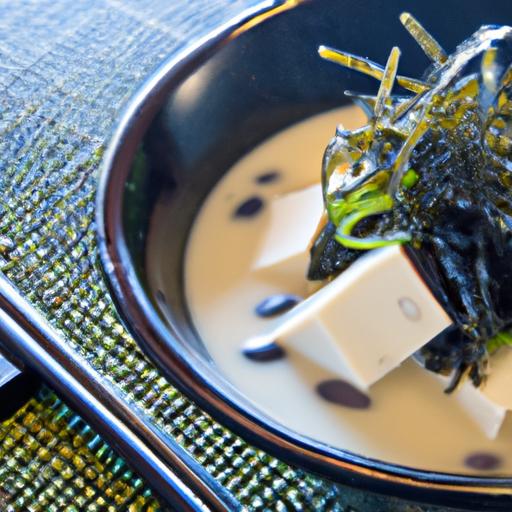

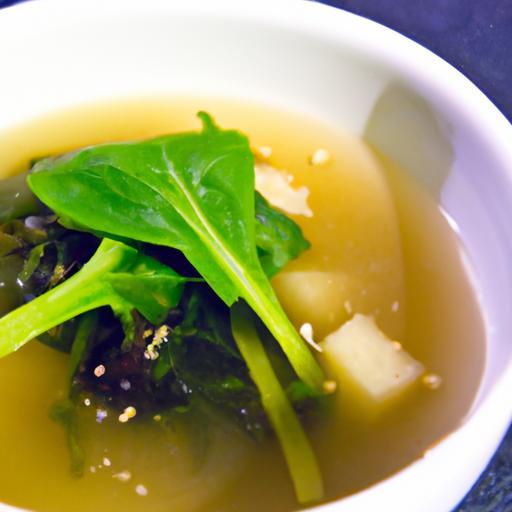
There’s a quiet kind of magic simmering in kitchens across the world when a pot of miso soup begins to bubble gently. Rooted in centuries of tradition and brimming with umami richness, this humble dish transcends its simplicity to become a soulful experience-especially when crafted with tender tofu and delicate seaweed. “Miso Magic: Crafting Tofu & Seaweed Soup with Soul” invites you on a journey beyond the basic broth, uncovering the warm, nourishing secrets behind every spoonful. Whether your a curious cook or a seasoned foodie, prepare to dive into the art of blending flavors and textures that transform everyday ingredients into a comforting ritual.
Miso Magic: Crafting Tofu & Seaweed Soup with Soul
Miso Magic awakens the senses by weaving together the delicate textures of tofu and the briny essence of seaweed in a soup that transcends mere nourishment. Originating from centuries-old Japanese culinary traditions, this humble bowl embodies comfort and umami harmony. My first encounter with this soul-stirring dish was on a crisp autumn evening in Kyoto,where the warm broth soothed both body and spirit.Today, I invite you to master the art of balancing umami flavors and textures in your kitchen, transforming simple ingredients into a soulful experience.
Prep and Cook Time
- Preparation: 15 minutes
- Cooking: 25 minutes
- Total Time: 40 minutes
Yield
- Serves 4 bowls
Difficulty Level
- Easy to Medium – perfect for both beginners and seasoned cooks wanting to elevate their miso soup
Ingredients
- 4 cups dashi stock (homemade or quality store-bought)
- 3 tablespoons white miso paste (shiro miso), ideally unpasteurized
- 200g (7 oz) silken tofu, cut into ½-inch cubes
- 1 tablespoon dried wakame seaweed
- 2 green onions, thinly sliced
- 1 teaspoon toasted sesame seeds (optional, for garnish)
- 1 teaspoon soy sauce (optional, to deepen umami)
Instructions
- Rehydrate the Seaweed: Place dried wakame in a small bowl with cold water and let it soak for 10 minutes until it expands and softens. drain and gently squeeze out excess water.
- Warm the Dashi stock: In a medium saucepan, heat the dashi until it just begins to simmer. Avoid boiling to preserve the delicate flavour.
- Dissolve the Miso Paste: Transfer ½ cup of hot dashi into a small bowl. Whisk in the miso paste until smooth. Slowly stir this mixture back into the saucepan over low heat. Tip: Use low heat to keep beneficial probiotics in unpasteurized miso intact.
- Add Tofu and Seaweed: Gently fold in the cubed tofu and rehydrated wakame. Warm through for 3-5 minutes without boiling to avoid breaking up the tofu.
- Season to Taste: Add soy sauce sparingly if desired. Taste your broth to adjust seasoning; miso paste varies in saltiness.
- Serve Promptly: Ladle the soup into bowls and garnish with sliced green onions and a sprinkle of toasted sesame seeds for a nutty aroma and extra texture.
chef’s Notes: Tips for Success with Miso Magic
- Choosing the Tofu: Silken tofu offers a creamy, melt-in-the-mouth texture, while firm tofu adds a satisfying bite.To keep tofu intact, warm gently and stir minimally.
- Seaweed Selection: Wakame is classic for its mild sweetness and tender texture. Alternatively, try arame or kombu for a deeper oceanic note.
- Broth Infusion: Making dashi from kombu and bonito flakes at home elevates your soup’s umami complexity. Use this guide to homemade dashi for an authentic base.
- Customizing Flavors: Adjust miso type-from white (milder) to red (heartier)-to suit your palate. Adding mushrooms or grated ginger can layer in subtle earthy or warming notes.
- Make-ahead: Keep broth and miso paste mixture separate. Assemble tofu and seaweed just before serving to preserve texture.
Serving Suggestions
Present your miso soup in rustic ceramic bowls to complement its earthy essence. Accompany with steamed rice and pickled vegetables for a traditional japanese meal. Drizzle a few drops of toasted sesame oil or scatter microgreens atop to add vibrant color and complexity. A side of crunchy tempura or edamame can turn this simple broth into an elegant feast.

| Nutrient | Per Serving |
|---|---|
| Calories | 120 kcal |
| Protein | 10 g |
| Carbohydrates | 8 g |
| Fat | 4 g |
Explore more cozy soups in our Japanese soups collection to broaden your culinary arsenal.
Q&A
Q&A: Miso Magic – Crafting Tofu & Seaweed Soup with Soul
Q1: What makes miso soup so magical?
A1: Miso soup is magic in a bowl because it weaves umami, tradition, and nourishment into every sip.The fermented miso paste, rich with probiotics and deep, savory flavors, transforms simple ingredients like tofu and seaweed into a soulful experience that comforts and revitalizes simultaneously.
Q2: Why include tofu and seaweed in miso soup?
A2: Tofu and seaweed are the heartbeats of this soulful soup. Silky tofu lends a gentle creaminess and plant-based protein, while seaweed – often wakame – brings a glimpse of the ocean’s mysteries, packed with minerals and a subtle briny kiss.Together, they balance texture and flavor, creating harmony in each spoonful.Q3: How do you select the right miso for your soup?
A3: Choosing the right miso is like picking the perfect tone for your symphony. White miso is mild and sweet, ideal for a delicate base; red miso offers a robust, earthy depth perfect for richer broths. Blending them can add layers of complexity.Always opt for high-quality, traditionally fermented miso to unlock true miso magic.
Q4: What’s the secret to crafting miso soup with soul?
A4: The soul of miso soup lies in mindful preparation and slow infusion. Begin with a clear, gently simmered dashi broth to nurture the subtle flavors. Add tofu and rehydrated seaweed tenderly to preserve texture. Fold in miso paste off the heat to protect its probiotics, and finish with a sprinkle of scallions or sesame seeds for that final whisper of flavor.
Q5: Can miso soup be customized beyond tofu and seaweed?
A5: Absolutely! Miso soup is a canvas for creativity. Try adding mushrooms for earthiness, grated ginger for zing, or seasonal vegetables for color and crunch. The beauty of miso lies in its versatility-each bowl tells a story shaped by your pantry and palate.
Q6: How does miso soup fit into a balanced diet?
A6: Miso soup is a nutritional powerhouse wrapped in warmth. It provides probiotics for gut health, plant-based protein from tofu, and vital minerals from seaweed-all while being low in calories. it’s a perfect starter or a soothing meal that nurtures body and soul alike.
Q7: Any tips for perfecting homemade miso soup?
A7: Yes! Use fresh, high-quality ingredients; don’t boil miso paste to keep its flavors and benefits alive; rehydrate seaweed just before use to maintain tenderness; and embrace patience-good soup, like magic, needs time to unfold.
Crafting “Miso Magic” means honoring tradition while inviting your personal touch-each bowl is a warm embrace, a sip of ancient wisdom, and a appetizing reminder that simple ingredients can carry soulful stories.
To Conclude
As the gentle steam rises from your bowl of miso-infused tofu and seaweed soup, you’re not just savoring a dish-you’re partaking in a culinary tradition that nourishes both body and spirit. This humble soup, with its harmonious blend of umami-rich miso, silky tofu, and ocean-kissed seaweed, is a testament to the magic that happens when simple ingredients are treated with care and respect. Whether enjoyed as a quiet moment of comfort or shared with loved ones, miso soup invites you to slow down, savor each sip, and celebrate the soulful connection between food and wellbeing. So, next time you craft this ancient elixir in your kitchen, remember: you’re stirring in more than just flavors-you’re stirring in a little bit of magic.