
In the symphony of flavors that define Japanese cuisine, umami stands as the soulful note that brings every dish to life. Among the many culinary masterpieces that celebrate this savory essence, miso soup reigns supreme-simple in ingredients, yet profound in taste. When adorned with silky tofu and delicate seaweed, this humble broth transcends the ordinary, creating a harmonious blend of textures and deep, comforting flavors. Join us as we explore the art of crafting miso soup,uncovering the secrets behind its umami magic and learning how to balance each element to create a bowl that’s both nourishing and irresistibly delicious.
Umami Harmony: Crafting Miso Soup with Tofu & Seaweed
Umami Harmony blossoms in every spoonful of this miso soup, where delicate layers of flavor merge to create a comforting yet complex dish. Rooted in Japanese tradition, miso soup is more than just a starter; it’s a soulful experience that balances the savory depth of fermented miso with the subtle textures of tofu and the oceanic richness of seaweed.
Prep and Cook Time
Readiness: 10 minutes
Cooking: 15 minutes
Total Time: 25 minutes
Yield
4 servings
Difficulty Level
Easy to Medium
Ingredients
- 4 cups dashi broth (preferably kombu and bonito based)
- 3 tbsp white miso paste
- 200g silken tofu, cut into 1/2-inch cubes
- 1 tbsp dried wakame seaweed (rehydrated in water, drained)
- 2 stalks green onions, thinly sliced
- 1 tsp soy sauce (optional, for added umami depth)
- 1/2 tsp toasted sesame oil (optional, for a hint of nuttiness)
Instructions
- Prepare the dashi broth: Begin by warming the dashi in a medium pot over medium heat. This customary broth forms the umami foundation, so use a high-quality kombu and bonito base for authentic flavor.
- Soften the seaweed: While the broth warms, rehydrate the dried wakame seaweed in a small bowl of cold water for about 5 minutes. Once softened, drain and gently squeeze to remove excess water, preserving its tender texture.
- incorporate the miso paste: Lower the heat to medium-low. Ladle about 1/2 cup of warm dashi into a small bowl, then whisk in the miso paste until smooth. This helps avoid clumps when adding miso directly to the pot. Slowly pour the miso mixture back into the pot and stir gently.
- Add tofu and seaweed: Carefully stir in the cubed silken tofu and the rehydrated seaweed. Heat the mixture gently without boiling to maintain the delicate tofu texture and preserve the miso’s complex flavors.
- Enhance with green onions and season: Finish by adding the sliced green onions.For an extra umami kick, drizzle in soy sauce and toasted sesame oil if desired. Adjust seasoning carefully to maintain harmony.
- Serve immediately: Ladle into bowls and enjoy warm to fully appreciate the soup’s comforting aroma and vibrant umami character.
Tips for Success
- Choosing tofu: Silken tofu brings a melt-in-your-mouth softness,but if you prefer a firmer bite,try soft tofu. Always handle tofu gently to prevent crumbling.
- Seaweed varieties: Combine wakame with other varieties like arame or hijiki for additional texture and nutrients. Just remember to soak each according to its requirements.
- Perfecting the umami balance: Use a spoon to taste your broth before serving. If too salty, add a splash of water or more dashi. Miso should never overpower; it must complement the broth’s savory depth.
- Make-ahead: Prepare the dashi broth and rehydrate seaweed in advance.store tofu separately and add fresh at serving time to maintain its pristine texture.
- Broth temperature: Avoid boiling the soup after adding miso; high heat will disrupt its delicate enzymes and flavor.
Serving Suggestions
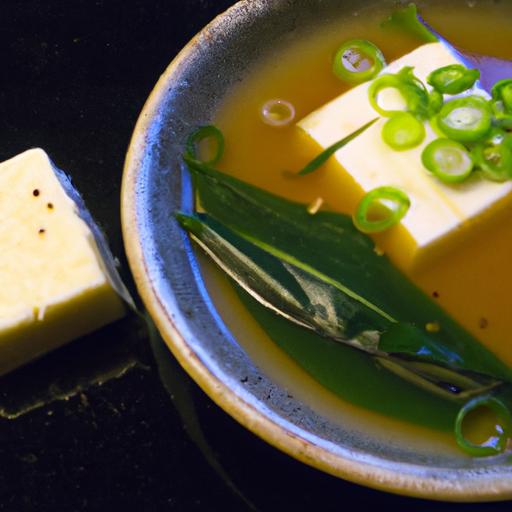
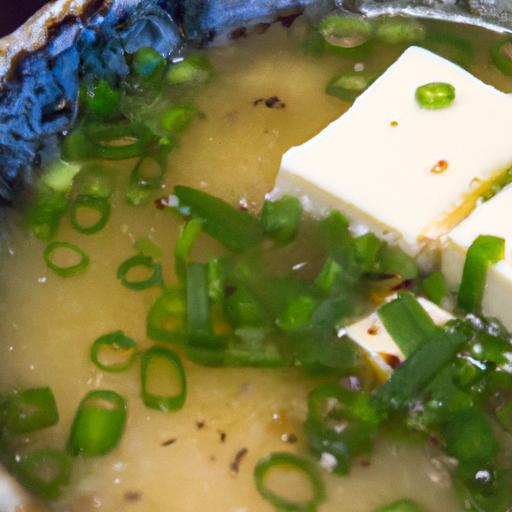
This miso soup shines as a starter for a Japanese meal or a light, nourishing lunch. Serve in rustic ceramic bowls to highlight its vibrant colors-the creamy white tofu contrasting with the deep green seaweed and radiant green onions.
Garnish with a sprinkle of toasted sesame seeds or a few shreds of fresh nori for extra visual appeal and texture. Pair with steamed jasmine rice or a handheld onigiri for an authentic dining experience.

| Nutrient | Per Serving |
|---|---|
| Calories | 90 kcal |
| Protein | 7 g |
| Carbohydrates | 5 g |
| Fat | 3 g |
Deepen your culinary journey with our Japanese cooking Techniques guide and explore the rich history behind miso soup on Nichirei Miso’s official site.
Q&A
Q&A: umami Harmony – Crafting Miso Soup with Tofu & Seaweed
Q1: What makes miso soup such a beloved dish in Japanese cuisine?
A: Miso soup is a soul-warming elixir that embodies simplicity and depth. Its magic lies in the umami-the savory “fifth taste”-which is artfully crafted through fermented miso paste, dashi broth, and complementary ingredients like tofu and seaweed. Together, they create a harmony that soothes the palate and nurtures the spirit.
Q2: How does tofu contribute to the overall experience of miso soup?
A: tofu lends a silken texture and subtle creaminess that balances the broth’s robust savoriness. It acts as a gentle cushion,absorbing the umami-rich flavors while adding a delicate protein boost. The contrast between soft tofu cubes and the warm broth elevates every spoonful to a comforting embrace.
Q3: Why is seaweed such an essential ingredient in miso soup?
A: Seaweed, particularly wakame, is the ocean’s whisper in the bowl. Its briny, mineral-rich flavor infuses the soup with natural depth and vitality. Beyond taste, seaweed adds a pleasant chewiness and a vibrant green hue, connecting the dish to nature’s bounty and grounding it in tradition.
Q4: Can you explain the role of miso paste in crafting the perfect soup?
A: Miso paste is the heart and soul of the soup-a fermented blend of soybeans, rice or barley, and salt that packs a punch of umami. Its complexity ranges from sweet and mild (white miso) to bold and earthy (red miso), allowing you to tailor the soup’s character. Stirred in at the end, miso enriches the broth without losing its probiotic goodness.
Q5: What are some tips for balancing flavors when making miso soup at home?
A: Start with a well-made dashi broth-it’s the foundation of umami harmony. Use moderate heat to gently dissolve miso paste to preserve its nuanced flavors. Balance saltiness with fresh water or extra dashi as needed. Add tofu and seaweed toward the end to maintain texture and freshness. trust your palate-adjust as you go for that perfect, soulful sip.
Q6: Are there creative variations to the classic tofu and seaweed miso soup?
A: Absolutely! You can spark new life into the classic with additions like enoki mushrooms, sliced green onions, grated ginger, or even a splash of yuzu citrus for brightness. Experimenting with different types of miso or incorporating seasonal vegetables can transform the humble bowl into an expression of your culinary creativity while honoring tradition.
Q7: How does enjoying miso soup connect us to Japanese culture?
A: Savoring miso soup is more than eating-it’s a ritual of mindfulness and respect for nature’s gifts. It reflects principles of balance, seasonality, and simplicity central to Japanese culture.Sharing this humble dish invites a moment of calm, reflection, and connection, echoing centuries of culinary wisdom and communal care.
Wrapping Up
As the gentle steam rises from your bowl, carrying the subtle aroma of fermented miso and the briny whisper of seaweed, you’ve crafted more than just a soup-you’ve created a symphony of umami harmony. With each spoonful, the tender tofu melts softly on your palate, bridging earth and ocean in a flavor dance that’s both comforting and invigorating. Weather enjoyed as a humble starter or a nourishing snack, this classic miso soup reminds us that the simplest ingredients, when thoughtfully combined, can unlock depths of taste and tradition. So next time you crave a taste of Japan’s soulful cuisine, let this recipe guide you to a bowl where balance and umami coexist in perfect, savory peace.