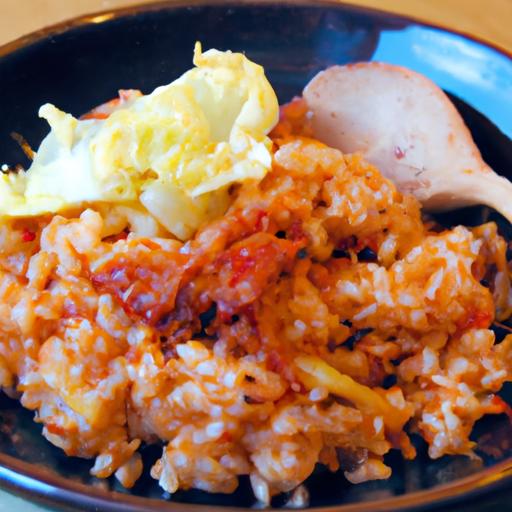

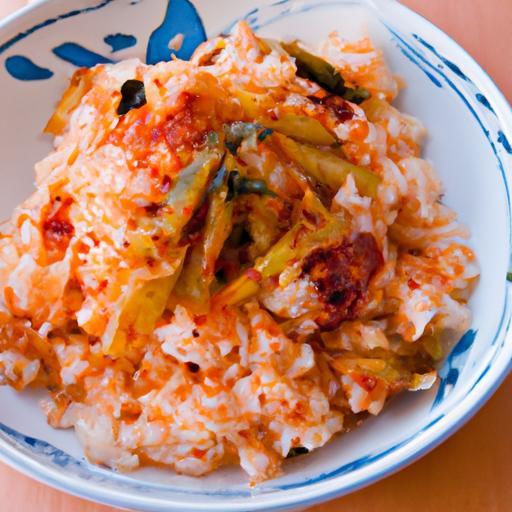
In the vibrant tapestry of korean cuisine, few dishes capture the heart and soul of home cooking quite like kimchi rice. This humble yet hearty bowl brings together the fiery tang of fermented kimchi with the comforting warmth of steamed rice,creating a symphony of flavors that speak to tradition,culture,and everyday life. whether enjoyed as a swift meal or a soul-soothing comfort food, kimchi rice offers more then just taste-it tells a story of resilience, creativity, and the timeless joy found in simple ingredients. Join us as we uncover the secrets behind this beloved Korean staple, exploring its origins, variations, and the irresistible allure that has captivated taste buds around the world.
Kimchi Rice Uncovered: A Flavorful guide to Korean Comfort invites you on a sensory journey through one of Korea’s most beloved comfort foods. Originating as a practical way to repurpose leftover kimchi, this iconic dish has evolved into an artful blend of spicy, tangy, and savory notes that capture the heart of Korean home cooking. From humble kitchens where nothing goes to waste,kimchi rice has matured alongside Korea’s culinary landscape,becoming a globally cherished staple.
Origins and Evolution of Kimchi Rice in korean cuisine
At its core, kimchi rice was born out of necessity-a creative, tasty solution to avoid food waste using fermented kimchi combined with steamed rice and everyday ingredients. Traditionally, it was a quick meal for farmers and families, offering warmth and nourishment during harsh winters. Over generations, variations emerged, each influenced by regional kimchi styles, ingredient availability, and evolving tastes. Today, kimchi rice represents not just comfort but a cultural symbol of resilience and culinary ingenuity.
Mastering the Perfect Kimchi Rice Balance
Achieving the ultimate kimchi rice means striking a harmonious balance between the sharpness of fermented kimchi and the subtle sweetness of rice. The secret is carefully managing acidity and spice while layering umami-rich flavors with sesame oil, garlic, and sometimes pork or tofu. Texture also plays a critical role-crispy bits from stir-fried kimchi contrast beautifully with tender grains, creating a multidimensional eating experience that feels both cozy and vibrant.
Creative Twists to Elevate Your Kimchi Rice Experience
While the classic preparation shines on its own, don’t hesitate to explore creative variations. Add a fried egg on top for luscious creaminess that mellows the spice. Incorporate crunchy vegetables like julienned carrots or scallions for freshness. Try fusion ideas by topping kimchi rice with melted cheese, or stir in seafood like shrimp for a seafood twist. The dish invites experimentation, enabling you to personalize your kimchi rice while keeping its authentic soul intact.
Essential Tips for Selecting and Storing Kimchi for Optimal Flavor
Choosing the right kimchi is critical in crafting flavorful kimchi rice.Opt for well-fermented, slightly tangy kimchi that’s not overly sour; this ensures depth without overpowering the dish. Always drain excess liquid before cooking to maintain the ideal rice-to-kimchi ratio. Store kimchi airtight in the refrigerator to slow fermentation and preserve freshness, ideally consuming it within 1 to 2 months for best flavor. For peak taste, avoid kimchi with too much brine or overly soft textures.
Prep and cook Time
- Preparation: 10 minutes
- Cooking: 15 minutes
- Total Time: 25 minutes
Yield
Serves 2-3 as a hearty main dish
Difficulty Level
Easy – perfect for beginners and seasoned cooks alike
Ingredients
- 2 cups cooked short-grain white rice (preferably day-old)
- 1 cup well-fermented kimchi, chopped
- 2 tbsp kimchi juice (from the container)
- 100 g pork belly or lean pork, diced (optional)
- 1 small onion, finely sliced
- 2 cloves garlic, minced
- 1 tbsp soy sauce
- 1 tbsp sesame oil
- 1 tsp sugar
- 2 tbsp vegetable oil
- 1 tsp toasted sesame seeds
- 2 scallions, chopped
- Optional: fried eggs for topping
Instructions
- Prepare ingredients: Chop kimchi and dice pork belly. Heat a large skillet over medium heat with vegetable oil.
- Sauté pork: Add pork bacon and cook untill crisp and browned, about 5 minutes. Remove pork and set aside, leaving rendered fat in skillet.
- cook aromatics: Add onion and garlic to the skillet. Sauté until translucent and fragrant, about 3 minutes.
- Stir-fry kimchi: Add chopped kimchi and cook for 5 minutes, stirring occasionally, until slightly caramelized and fragrant.
- Combine rice: Add the cold rice, breaking up clumps with a spatula. Stir-fry until rice is evenly coated and heated through-about 5-7 minutes.
- Season: return pork to skillet. Add soy sauce, sugar, and kimchi juice.Stir thoroughly to blend flavors, cooking for another 2 minutes.
- Finish: Drizzle sesame oil over the rice and toss in half the chopped scallions. Give one last stir, ensuring even coating and aroma.
- Serve: Plate the kimchi rice hot,garnished with remaining scallions and toasted sesame seeds. Top with a fried egg if desired.
Chef’s Notes
- Use day-old rice for better texture and less stickiness. Freshly cooked rice tends to clump.
- For a vegetarian version, substitute pork with diced tofu or mushrooms.
- Adjust kimchi quantity based on your spice tolerance-start with less if you prefer milder flavors.
- Try adding a splash of gochujang (Korean chili paste) for extra heat and depth.
- This dish stores well for up to 2 days refrigerated; reheat gently to maintain texture.
Serving Suggestions
Serve kimchi rice with a side of crisp cucumber kimchi or pickled radish to cut through the richness. A small bowl of miso soup or Korean seaweed soup complements the meal beautifully. Garnish with fresh scallions, sesame seeds, and a drizzle of toasted sesame oil to enhance aroma and visual appeal. For festive occasions, place a sunny-side-up egg atop each serving, its golden yolk mingling luxuriously with spicy rice.

| Nutrient | Amount per Serving |
|---|---|
| Calories | 420 kcal |
| Protein | 15 g |
| Carbohydrates | 55 g |
| Fat | 12 g |
Explore more Korean comfort food recipes like Bulgogi: Korean BBQ Beef and learn how these dishes fit into the rich tapestry of Korea’s culinary heritage. For a thorough introduction to kimchi and its health benefits, visit Korea.net Food & Cuisine.
Q&A
Q&A: Kimchi Rice Uncovered - A Flavorful Guide to Korean Comfort
Q1: What exactly is Kimchi Rice?
A1: Kimchi Rice, or kimchi bokkeumbap in Korean, is a beloved comfort dish that combines steamed rice with spicy, tangy fermented kimchi and often a medley of savory ingredients like pork, scallions, and a fried egg on top. It’s the harmonious marriage of crisp, fermented heat and soft, fluffy rice-a perfect balance of flavor and texture that warms both body and soul.
Q2: Why is Kimchi so special in Korean cuisine?
A2: Kimchi isn’t just a side dish; it’s a cultural icon and a powerhouse of flavor and nutrition. Fermented for weeks or months, kimchi boasts a complex taste profile-sour, spicy, umami-that adds depth and character to any dish. Its probiotic qualities also contribute to gut health, making it both delicious and nourishing.
Q3: How does Kimchi Rice epitomize Korean comfort food?
A3: Like a cozy hug on a chilly evening,Kimchi Rice is warm,satisfying,and effortlessly easy to make,often born out of creativity and necessity with leftover rice and kimchi. The dish embodies simplicity yet delivers hearty complexity, embodying the essence of Korean home cooking-nourishing, bold, and comforting.
Q4: Can Kimchi Rice be customized?
A4: Absolutely! Kimchi Rice is incredibly versatile. While customary recipes lean on pork belly or beef,it welcomes vegan and vegetarian adaptations with tofu or mushrooms. Add veggies like carrots, peas, or zucchini for color and crunch. Top it with a sunny-side-up egg or a sprinkle of sesame seeds to elevate both taste and presentation.
Q5: What makes homemade Kimchi Rice better than takeout or instant versions?
A5: When you make Kimchi Rice at home, you control the spice level, freshness, and ingredient quality. You can tailor it to your personal palate, balancing acidity from kimchi with umami-rich additions like soy sauce or gochujang (Korean red chili paste).Plus, the process itself-sautéing, stirring, tasting-invites mindfulness and creates a rewarding cooking experience.
Q6: How can a beginner start making Kimchi Rice?
A6: Start simple! Use day-old cooked rice for better texture, sauté chopped kimchi with a bit of oil, add rice and stir-fry together. Season with soy sauce or gochujang to taste. Finish with a fried egg on top and a sprinkle of green onions or sesame seeds.Before long, you’ll be experimenting with flavors and textures like a true Korean kitchen pro.
Q7: Any tips for selecting the perfect kimchi for Kimchi Rice?
A7: Look for kimchi that’s well-fermented but not overly sour-about 2 to 4 weeks aged is ideal for cooking. Freshness matters; fresher kimchi offers vibrant crunch and brightness, while older kimchi delivers deeper tang and funk. Ultimately,trust your taste buds and pick a kimchi that makes you excited to cook!
Q8: Why has Kimchi Rice gained popularity worldwide?
A8: Global fascination with Korean cuisine and culture has put Kimchi Rice in the spotlight. It’s affordable, simple, versatile, and bursts with bold flavors-qualities that resonate far beyond Korea’s borders. Whether you’re a spice lover, a comfort food seeker, or a culinary adventurer, Kimchi Rice invites everyone to savor a slice of Korean warmth and tradition.
Enjoy diving into the flavorful layers of Kimchi Rice-where every spoonful tells a story of heritage, comfort, and culinary delight!
Closing Remarks
As we close the lid on our flavorful journey through Kimchi Rice, it’s clear that this humble dish is so much more than a simple Korean comfort food. It’s a vibrant tapestry woven from the spicy, tangy notes of fermented kimchi, the warmth of perfectly cooked rice, and the tender embrace of tradition passed down through generations. Whether you’re a seasoned foodie or a curious newcomer, exploring Kimchi Rice offers a delicious way to connect with Korea’s rich culinary heritage-one bite at a time. So next time you crave a meal that’s bursting with both history and bold flavor, remember: sometimes, the heartiest comfort comes from the simplest bowl of kimchi rice.