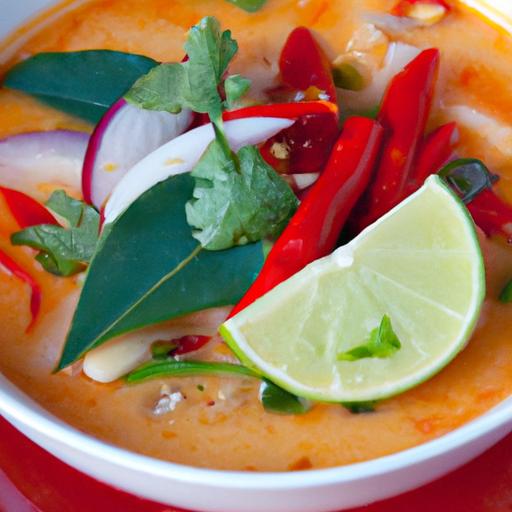

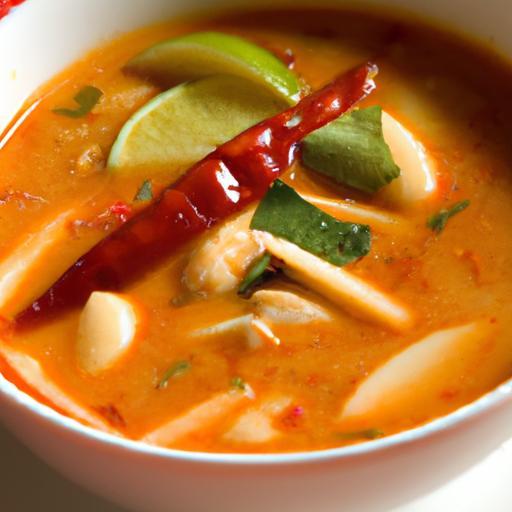
In the vibrant tapestry of Southeast asian cuisine, few dishes captivate the palate quite like Thai hot and sour soup. A harmonious blend of fiery spice and refreshing tang, this beloved soup is more than just a comforting bowl-it’s a journey through Thailand’s rich culinary heritage. From the zesty notes of lemongrass and lime to the subtle heat of chili and the earthy depth of fresh herbs, thai hot and sour soup invites food lovers to explore a symphony of bold flavors that dance on the tongue. Join us as we delve into the origins, ingredients, and cultural significance of this tangy culinary delight, uncovering why it remains a cherished staple in Thai kitchens and beyond.
Exploring Thai Hot and Sour Soup offers a vibrant journey into Thailand’s rich culinary heritage, where bold flavors converge in a harmonious dance of tanginess, heat, and umami. Known traditionally as Tom Yum, this iconic soup captures the spirit of Thai cuisine – balancing sour lime, fiery chili, fragrant herbs, and savory proteins in a single bowl. My first encounter with this dish took place at a bustling Bangkok street market, where its punchy aroma and lively colors immediately captivated my senses. It’s more than just a soup; it’s a culinary party that brings warmth and zest to every spoonful.
Prep and Cook Time
- Preparation: 15 minutes
- Cooking: 20 minutes
- Total Time: 35 minutes
Yield
Serves 4 generous bowls
Difficulty Level
Medium – approachable for home cooks ready to explore Thai ingredients and techniques
Key Ingredients and Their Unique Flavor contributions
- Galangal: This woody, citrusy rhizome infuses the broth with a peppery, pine-like aroma distinct from ginger.
- Kaffir lime leaves: Their intense, zesty fragrance sharpens the soup’s sour notes with a fresh, citrus burst.
- Lemongrass: Adds a shining, lemony essence that’s both refreshing and grounding for the broth.
- Bird’s eye chilies: Small but mighty, these chilies bring a fierce, fiery heat that awakens the palate.
- Fish sauce: The salty umami backbone that balances sour and spicy flavors perfectly.
- Tamarind paste: Introduces deep, tangy complexity beyond just lime juice, enriching the broth’s depth.
- Mushrooms (straw or oyster): Soak up the broth’s flavors while contributing earthiness and subtle texture.
- shrimp or chicken: The traditional proteins act as canvases soaking up the invigorating broth, making the dish hearty yet light.
Step-by-Step Guide to Crafting the Perfect Tangy Broth
- Prepare your aromatics: Bruise 3 stalks of lemongrass by smashing them with the back of a knife, then slice into 2-inch pieces. Thinly slice 3 slices of fresh galangal and gently tear 5 kaffir lime leaves to release their oils.
- Simmer the broth base: Bring 6 cups of water or light chicken stock to a boil in a medium pot. Add lemongrass, galangal, kaffir lime leaves, and a handful of sliced bird’s eye chilies (adjust to your heat preference). reduce to a simmer and cook uncovered for 10 minutes to infuse the liquid deeply.
- Build flavor complexity: Stir in 2 tablespoons of fish sauce and 1 tablespoon of tamarind paste, whisking gently until fully incorporated. Taste and add freshly squeezed lime juice (3-4 limes) gradually for brightness and acidity, balancing sour with salty and spicy.
- Add mushrooms and protein: Incorporate 1 cup sliced straw or oyster mushrooms and either 12 medium peeled shrimp or 1 cup thinly sliced chicken breast. Simmer gently for 4-5 minutes until shrimp are pink and chicken is cooked through.
- Finish with fresh herbs: Remove the broth from heat and gently fold in a handful of chopped fresh cilantro and sliced green onions. Adjust seasoning with extra fish sauce or lime juice as needed for your perfect balance.
Chef’s Notes & Tips for Success
- Ingredient Swap: If you can’t find fresh galangal or kaffir lime leaves, use dried substitutes from Asian markets, but always use half the amount – they’re more concentrated.
- Heat Control: Bird’s eye chilies are potent; remove seeds for a milder broth or add extra for a punchier heat.
- Vegetarian Version: replace fish sauce with soy sauce or mushroom soy sauce and use vegetable broth to maintain umami depth.
- Make Ahead: Prepare the broth base a day in advance and reheat before adding fresh herbs and protein for a vibrant, overnight flavor boost.
- balancing Flavors: The hallmark of this recipe is balance – taste frequently to get the delicate interplay of sour, salty, spicy, and savory just right.
Pairing Recommendations to Enhance Your Soup experience
To truly elevate your Thai hot and sour soup adventure, serve it alongside sticky jasmine rice or fragrant Thai jasmine rice to soak up its aromatic broth. A crisp Thai cucumber salad or fresh spring rolls offer refreshing contrasts to the soup’s heat. Pair this vibrant dish with a chilled Riesling or a light lager beer to cool the palate and showcase the tangy complexity.
For a deeper dive into complementary thai dishes, check out our collection of authentic Thai curry recipes. For additional culinary insights on Thai herbs and spices, visit the Serious Eats Thai Cooking Guide.

| Nutrient | Per serving |
|---|---|
| Calories | 180 kcal |
| Protein | 15 g |
| Carbohydrates | 8 g |
| Fat | 5 g |
Q&A
Q&A: Exploring Thai Hot and Sour Soup: A tangy Culinary Delight
Q1: What makes Thai hot and sour soup distinct from other hot and sour soups around the world?
A1: Thai hot and sour soup, often exemplified by Tom Yum, stands out due to its intricate balance of flavors-fiery chili heat, zesty citrus from fresh lime, fragrant lemongrass, and earthy galangal. Unlike other hot and sour soups that may lean heavily on vinegar for sourness, Thai versions harness natural ingredients to create a bright, aromatic broth that awakens the palate.
Q2: What are the key ingredients that define the flavor profile of Thai hot and sour soup?
A2: the signature taste comes from a harmonious blend of aromatics and spices: lemongrass stalks, kaffir lime leaves, galangal slices, fresh chilies, lime juice, fish sauce, and sometimes tamarind paste. Proteins like shrimp, chicken, or mushrooms lend body, while fresh herbs such as cilantro and green onions round out the dish with freshness.
Q3: How does the preparation of this soup reflect Thai culinary beliefs?
A3: Thai cuisine emphasizes balance-sweet, sour, salty, spicy, and bitter all play a role. Preparing hot and sour soup involves layering flavors carefully: simmering the broth with herbs to infuse aroma, then adding proteins, and finishing with acidic lime juice and fiery chilies. This thoughtful construction mirrors the Thai approach of crafting dishes that excite multiple senses simultaneously.
Q4: Can Thai hot and sour soup be adapted for different dietary preferences?
A4: Absolutely! While traditional recipes frequently enough use shrimp or chicken stock,vegetarian and vegan versions swap these for mushroom broth and omit fish sauce,replacing it with soy or tamari sauce. the robust herbal and citrus notes remain the centerpiece, ensuring the soup is flavorful and satisfying regardless of diet.Q5: What cultural significance does this soup hold in Thai society?
A5: More than just comfort food, Thai hot and sour soup is embedded in social and familial gatherings, frequently enough served as a starter to stimulate the appetite. It embodies Thai warmth and hospitality-inviting everyone to enjoy a bowl that is both invigorating and nurturing, a true reflection of Thailand’s culinary heart.
Q6: How can someone new to Thai cuisine best experience this soup?
A6: Approach it with an open palate and a readiness to savor bold, contrasting flavors.Start with a well-balanced version – neither too spicy nor overly sour – and appreciate the symphony of ingredients. Pair it with steamed jasmine rice to temper the heat, and enjoy the way each spoonful tells a story of Thailand’s rich culinary heritage.
In Conclusion
In the vibrant tapestry of Thai cuisine, hot and sour soup stands out as a perfect harmony of bold flavors and aromatic ingredients. whether you’re savoring a steaming bowl of Tom Yum by the bustling streets of Bangkok or recreating the zesty broth at home, this tangy culinary delight invites you to experience a symphony of taste that awakens the senses and warms the soul. Exploring the layers of spice, sourness, and umami reveals not just a dish, but a cultural story steeped in tradition and creativity-proof that food is truly a journey worth taking, one flavorful spoonful at a time.