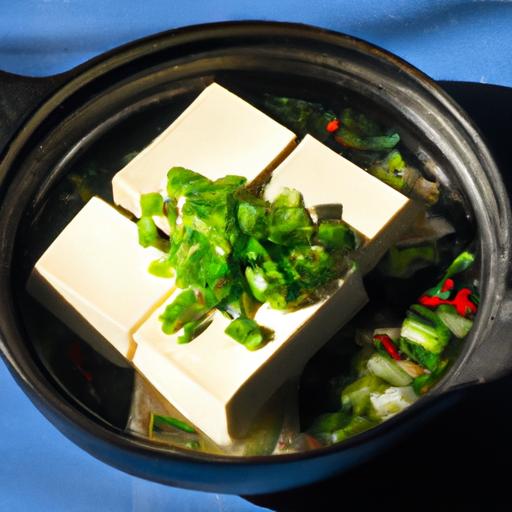

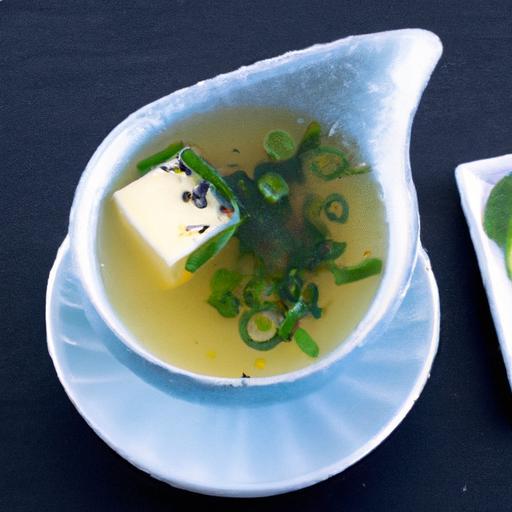
There’s a quiet magic simmering in a humble bowl of miso soup-a centuries-old elixir that transcends mere nourishment to become a ritual of comfort and connection. At the heart of this delicate broth lies a harmonious duet: tender cubes of tofu and tender sheets of seaweed,each bringing its own subtle texture and flavor to the table. This article invites you to explore the art and essence of savoring miso soup, unveiling how these simple ingredients unite to create a taste experience both timeless and deeply satisfying.Whether you’re a seasoned gastronome or a curious newcomer, join us on a journey into the soul of miso soup, where tradition and taste intertwine in perfect balance.
The Origins and Umami Depths of Traditional miso Broth
Savoring miso soup begins with understanding the soulful roots of its broth, where centuries-old Japanese tradition meets the art of umami. This nourishing base, crafted primarily from fermented soybean paste, or miso, is celebrated for its profound savory depth and health benefits. The gentle fermentation unlocks amino acids and peptides, enriching the broth with natural glutamates that create a layered, comforting flavor, far beyond simple seasoning. Historically, miso soup was a humble staple served alongside steamed rice, yet its delicate, nuanced taste has elevated it into a global culinary treasure.Every spoonful invites a balance of warmth and complexity,offering a perfect harmony that complements the fresh,mild ingredients often paired within.
The Art of Selecting and Preparing Silken Tofu for optimal Texture
Central to this dish is the tender silken tofu, whose texture can make or break the soup experience. Unlike firmer varieties, silken tofu delivers a buttery softness that melts gently in the broth. When choosing tofu, look for fresh blocks labeled “silken” or “soft,” stored under refrigeration, preferably from trusted vendors to ensure creaminess without excess moisture. to prepare, gently drain the tofu and slice it with a thin, sharp knife to preserve its shape. Avoid excessive stirring during cooking, as the delicate cubes can easily crumble, but do incorporate them gently at the end to allow the tofu to warm through without breaking apart. This careful handling contributes to a luxurious mouthfeel that complements the soup’s umami richness perfectly.
exploring Seaweed Varieties to Elevate flavor and Nutritional Value
Seaweed is the final magical ingredient that elevates the miso soup’s flavor profile and nutritional punch. Kombu, a kelp variety, forms the backbone of the traditional dashi stock, imparting subtle oceanic notes and a boost of iodine and minerals. Wakame, with its vibrant green fronds, adds a silky texture and a mild sweetness.Hijiki brings an earthier depth but is best used sparingly due to its stronger flavor and unique appearance. When selecting seaweed, opt for high-quality, dried varieties, rehydrating them carefully in cool water before adding to the soup. This layering of seaweeds enriches the broth’s mineral content, crafting a deeply satisfying and healthful sip every time.
Expert Tips for Balancing Ingredients and serving the Perfect Miso Soup
Achieving the perfect balance in miso soup hinges on the harmonious interplay of broth concentration, tofu softness, and the tangy yet subtle flavor imparted by miso paste. Begin by brewing a light dashi base-too strong can overpower delicate flavors, too weak can leave the broth flat. When whisking in miso, use a small strainer or ladle to dissolve the paste evenly, preventing clumps and bitterness. Add tofu and seaweed gently, warming them just before serving to keep textures pristine. Garnish with thinly sliced scallions or a pinch of shichimi togarashi for contrast and visual appeal. Serve immediately in warmed bowls to savor the intricate dance of umami, smooth tofu, and ocean freshness at their peak.
Prep and Cook Time
- Prep time: 10 minutes
- Cook Time: 15 minutes
- Total Time: 25 minutes
Yield
Serves 4 generous bowls
Difficulty Level
Easy – perfect for both beginners and seasoned home cooks
Ingredients
- 5 cups water
- 1 piece kombu seaweed (about 4 inches)
- 1/2 cup dried wakame seaweed, soaked and drained
- 1 block silken tofu (about 12 oz), drained and cut into 1/2-inch cubes
- 3 tablespoons white miso paste
- 2 scallions, thinly sliced
- Optional garnish: shichimi togarashi, toasted sesame seeds
Instructions
- Prepare the dashi stock: Wipe the kombu gently with a damp cloth, avoiding washing away the white powdery umami crystals. Place kombu and water in a medium saucepan over low heat. Heat slowly until just before boiling,about 10 minutes,then remove kombu to prevent bitterness.
- Rehydrate wakame: Soak wakame in cool water for 5 minutes until plump. Drain well and set aside.
- Add tofu: Gently slide tofu cubes into the warm dashi, simmer on low heat for 3 minutes to heat through without stirring vigorously.
- Incorporate miso paste: Transfer a small ladle of broth to a bowl, whisk in miso paste until smooth. Return the mixture to the pot, stirring gently to combine without boiling.
- Add wakame and scallions: Sprinkle wakame and scallions into the soup, warm for 1 minute, then remove from heat immediately to preserve the fresh flavors.
- Serve: Ladle soup into bowls, garnish with optional shichimi togarashi or sesame seeds for a vibrant touch.
Chef’s Notes and Tips for Success
- For an earthier broth, experiment with red or brown miso paste but adjust quantity as these are stronger and saltier.
- if you prefer firmer tofu, gently press before cutting to remove excess liquid, but it will alter the creamy texture.
- Always avoid boiling miso after it’s added-this degrades flavor and nutrients.
- Make the dashi stock ahead and store it refrigerated for up to 3 days for fast soup assembly.
- Explore our detailed guide on dashi stock for more culinary insights.
- Learn more about the health benefits of miso at NCBI: Miso and Its Nutritional Impact.
Serving Suggestions
Present your miso soup in elegant ceramic bowls to highlight the soft white tofu cubes against the dark forest green wakame. pair with a side of steamed jasmine rice and pickled vegetables for a balanced meal. For added texture, sprinkle toasted nori strips or crushed roasted peanuts atop each bowl. A cup of warm green tea alongside complements the umami-rich broth superbly.

| Nutrient | Per Serving |
|---|---|
| Calories | 90 kcal |
| Protein | 7 g |
| Carbohydrates | 6 g |
| fat | 3 g |
Q&A
Q&A: Savoring Miso Soup – Tofu and Seaweed Harmony Unveiled
Q1: What makes miso soup such a beloved staple in Japanese cuisine?
A1: miso soup is the warm embrace of Japanese culinary tradition-a simple yet profound blend of fermented miso paste, dashi broth, and fresh ingredients. Its umami-rich depth and comforting warmth have made it a daily ritual that nurtures both body and soul. It’s more than soup; it’s a cultural symbol of balance and mindfulness.
Q2: how do tofu and seaweed contribute to the harmony of flavors in miso soup?
A2: Tofu offers a gentle, creamy texture that tempers the boldness of miso, acting like a silk thread weaving through the flavor tapestry.Seaweed-commonly wakame-brings a briny,oceanic whisper,adding mineral-rich depth and a slight chew that contrasts beautifully with the tofu’s softness. Together, they create a harmonious dance of sea and earth, smooth and textured.
Q3: Is there a particular type of miso paste that complements tofu and seaweed best?
A3: While all miso pastes have their charm, white miso (shiro miso) with its mild, sweet notes pairs exquisitely with tofu and seaweed, allowing their subtle flavors to shine through. For those craving a stronger umami punch, red miso (aka miso) introduces a robust, hearty backbone, weaving complexity into the broth’s fabric.
Q4: Can you explain the significance of dashi in enhancing the overall miso soup experience?
A4: Dashi is the magical elixir behind miso soup’s soul, often made from kombu (kelp) and bonito flakes. it’s the foundational broth that infuses the soup with smoky, savory notes and a deep umami resonance. Without dashi, miso soup would lack its characteristic depth, making each spoonful feel flat rather than vividly alive.
Q5: How should one prepare tofu and seaweed to preserve their textures and flavors in miso soup?
A5: Precision is key! Silken or soft tofu is gently cubed and gently stirred in last to maintain its delicate form. wakame seaweed is typically soaked briefly in water until it blooms into tender greenery, then added near the end to avoid overcooking, preserving its subtle bite and vibrant color. This timing ensures a perfect balance of textures with every mouthful.
Q6: are there health benefits associated with enjoying miso soup enriched with tofu and seaweed?
A6: Absolutely! Miso soup is a powerhouse of probiotics from the fermented miso, promoting gut health. Tofu supplies plant-based protein and essential amino acids, while seaweed is a treasure trove of iodine, vitamins, and antioxidants.Together,they create a nourishing elixir that supports digestion,immunity,and wellbeing-a wholesome harmony in a bowl.
Q7: How can one elevate the sensory experience of savoring miso soup at home?
A7: To truly savor miso soup, engage all your senses: inhale the fragrant, salty aroma of miso-infused dashi; admire the contrast of emerald wakame and creamy tofu; feel the silky warmth with each sip; and taste the layered umami that lingers deliciously. Pair it with a quiet moment or mindful company, transforming a simple bowl into a soulful ritual.
Q8: Can miso soup be customized beyond tofu and seaweed while maintaining its essence?
A8: Yes! The beauty of miso soup lies in its versatility. Mushrooms, scallions, daikon radish, or even bits of crab can be added to tailor the flavor while honoring tradition. Yet, tofu and seaweed remain the heart of that classic harmony-like a musical duet grounding an improvisational masterpiece.
Dive deep into your next bowl of miso soup with newfound appreciation, savoring the delicate interplay of tofu’s softness and seaweed’s ocean breath-a timeless harmony unveiled with every spoonful.
insights and Conclusions
As the final spoonful of miso soup warms the soul,the subtle dance between silky tofu and tender seaweed reveals a culinary harmony rooted in tradition and simplicity. This humble bowl, brimming with umami and nourishment, invites us to slow down and appreciate the delicate balance of flavors crafted over centuries. Whether sipped in a bustling kitchen or savored in quiet solitude, miso soup is more than just a dish-it’s a timeless celebration of nature’s bounty and human creativity woven together in perfect harmony. So next time you cradle that steaming bowl,remember: you’re not just tasting soup-you’re experiencing a story,a culture,and a craft perfected through generations.