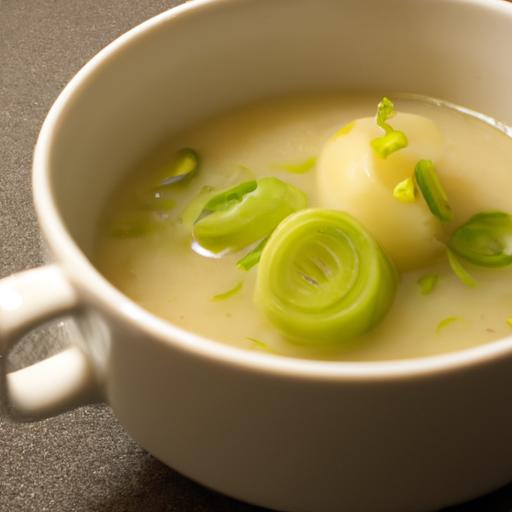


There’s a timeless comfort in a bowl of potato and leek soup-a humble masterpiece that has simmered its way through generations, warming hearts and kitchens alike. This classic dish marries the earthy sweetness of leeks with the creamy embrace of tender potatoes, creating a velvety texture that feels like a gentle hug on a chilly day. Beyond its simple ingredients lies a rich tradition, a culinary story shaped by regional variations and age-old techniques. In this article, we’ll explore the art of crafting this beloved soup, revealing how honoring tradition can transform everyday flavors into a soulful experience worth savoring.
Savoring Tradition: The Art of Classic Potato and Leek Soup
Savoring tradition starts with the humble bowl of potato and leek soup, a dish steeped in heritage and comfort. This beloved classic not only warms the soul but also tells a engaging story of rustic European kitchens where simple, fresh ingredients combined to create extraordinary flavors. Every spoonful brings a creamy texture, buttery richness, and subtle earthiness from the leeks, honed through generations into the perfect harmony we cherish today.
Prep and Cook Time
- Preparation: 15 minutes
- Cooking: 35 minutes
- Total Time: 50 minutes
Yield
Serves 4 generous bowls
Difficulty Level
Easy to Medium – perfect for home cooks eager to master classic flavors
Ingredients
- 3 large leeks, white and light green parts only, thoroughly washed and sliced
- 4 medium yellow potatoes (Yukon Gold are ideal), peeled and diced into 1-inch cubes
- 4 cups vegetable or chicken stock (preferably low sodium)
- 1 cup whole milk or heavy cream for richness
- 3 tablespoons unsalted butter
- 1 medium onion, finely chopped
- 2 garlic cloves, minced
- Salt and freshly ground white pepper, to taste
- Fresh thyme sprigs (optional)
- Chopped fresh chives, for garnish
- Crusty bread, for serving
Instructions
- Prepare the leeks: Slice the cleaned leeks crosswise into thin rounds. It’s essential to rinse them thoroughly, removing every bit of grit, which can affect the final texture.
- Sauté aromatics: In a large heavy-bottomed pot, melt the butter over medium heat. add chopped onion and minced garlic. Sauté until translucent and sweet-smelling, about 5 minutes.
- Add leeks: Stir in the sliced leeks along with a pinch of salt. Cook gently, stirring frequently enough, until softened and slightly golden, approximately 8 minutes. Avoid browning to retain sweetness.
- Cook potatoes: Add cubed potatoes and pour in the stock. Toss in a sprig of thyme if using. Bring to a simmer, then reduce heat and cook uncovered until potatoes are fork-tender, about 20 minutes.
- Blend to perfection: Remove thyme sprigs. Using an immersion blender, purée soup until smooth but with a little texture left for an artisanal feel.For a silkier version, strain through a fine mesh sieve.
- Finish with cream: Stir in the milk or cream gently over low heat. Adjust seasoning with salt and white pepper. Heat just until warmed through-do not boil to maintain freshness.
- Rest and serve: Let the soup sit for 5 minutes to let flavors deepen. Ladle into warmed bowls.
Tips for Success
- Ingredient freshness: Choose firm potatoes without sprouts and vibrant green leeks. Freshness directly impacts texture and flavor.
- Leek preparation: Avoid using dark green tops-they’re tough and bitter. save them for stocks or compost.
- Texture balance: Blend to your preferred consistency. Leaving some potato chunks creates comforting rusticity.
- Make-ahead tip: Soup stores beautifully in the fridge for up to 3 days or freezes well for up to 2 months. Reheat gently.
- lighten up: For a dairy-free version, substitute coconut milk or almond milk instead of cream for a different twist.
Elevating Your Soup: creative Garnishes and Serving Suggestions
To truly celebrate this dish, presentation matters as much as flavor. Adding a sprinkle of finely chopped fresh chives or a drizzle of high-quality extra virgin olive oil brings bursts of color and fresh savoriness. For an indulgent touch, top with crispy pancetta or a swirl of crème fraîche. A handful of toasted pumpkin seeds or rustic croutons can add inviting crunch. Serve alongside a wedge of toasted sourdough or freshly baked herb focaccia to soak up every last drop. A bright microgreen salad on the side balances the creaminess beautifully.
Whether served as an elegant starter or a heartwarming main,mastering this classic ensures you’re truly savoring tradition with every spoonful.
Nutrition Information
| Nutrient | Per Serving |
|---|---|
| Calories | 220 kcal |
| Protein | 5 g |
| Carbohydrates | 30 g |
| Fat | 8 g |
Discover more leek soup recipes to expand your culinary repertoire. for historical context and more on vegetable roots in cuisine, the Encyclopedia Britannica’s article on leeks offers fascinating insights.

Q&A
Q&A: Savoring Tradition – The Art of Classic Potato and Leek Soup
Q1: What makes potato and leek soup such a timeless classic?
A1: Potato and leek soup is a quintessential comfort food rooted in simplicity and soulfulness. Its charm lies in transforming humble ingredients-earthy leeks and creamy potatoes-into a velvety, soothing bowl of warmth. This soup carries generations of tradition, offering a taste that’s both rustic and refined, a true testament to culinary heritage.
Q2: How do leeks contribute to the flavor profile of the soup?
A2: Leeks are the gentle,aromatic backbone of the soup. Their subtle onion-like sweetness,when slowly sautéed,creates a mellow and fragrant base that elevates the flavor without overpowering the delicate creaminess of the potatoes. They bring a hint of elegance to an otherwise straightforward dish.
Q3: What type of potatoes work best for this soup?
A3: Starchy potatoes like Russets or yukon Golds are the stars here. They break down beautifully during cooking,releasing starch that thickens the soup naturally,resulting in that luscious,silky texture we cherish. Their creamy interior lends richness that complements the soft leeks perfectly.Q4: Is it essential to peel the potatoes?
A4: While peeling potatoes is traditional for a smooth consistency, leaving the skins on adds rustic texture and nutrients, embracing a modern, earthy twist on the classic recipe. It’s a balance between finesse and wholesomeness-choose what suits your palate and occasion.
Q5: What cooking techniques enhance the soup’s depth of flavor?
A5: Patience is key. Sweating the leeks slowly in butter or oil until tender draws out their sweetness. Then, gently simmering the potatoes in broth allows the flavors to harmonize. A fast blend or careful mashing creates that iconic creamy texture, while a final flourish of cream or fresh herbs brings brightness and richness.
Q6: Can potato and leek soup be adapted to suit dietary preferences?
A6: Absolutely. Swap heavy cream for coconut milk or cashew cream to make it vegan-friendly without sacrificing creaminess. Use vegetable broth for a vegetarian version, or introduce spices like smoked paprika or thyme for a personalized twist while honoring tradition.Q7: what’s the best way to serve and garnish this soup?
A7: Serve it steaming hot, ladled into rustic bowls that invite comfort. A drizzle of crème fraîche, a sprinkle of chives or parsley, and a few cracks of fresh black pepper amplify its visual and flavor appeal. Pair with crusty bread or a simple side salad to round out this soul-nourishing meal.
Q8: Why do people keep returning to this soup, generation after generation?
A8: Potato and leek soup is more than a recipe-it’s a sensory memory, a cozy blanket on chilly days, and a reminder of home. Its enduring appeal stems from its comforting simplicity, adaptability, and the way it connects us to a culinary lineage that honors nature’s humble bounty. Savoring it is savoring tradition itself.
Key Takeaways
As the comforting aroma of simmered leeks and tender potatoes fills your kitchen, you’re reminded that classic potato and leek soup is more than just a dish-it’s a warm embrace from tradition itself. This humble recipe, rooted in simplicity and care, invites us to slow down and appreciate the timeless dance of flavors passed down through generations. Whether enjoyed on a chilly evening or shared around a bustling family table, savoring this soup is a celebration of heritage, patience, and the art of turning basic ingredients into something truly nourishing. So next time you ladle a bowl, remember: you’re not just tasting soup, but a story-a tasty reminder that some classics never go out of style.