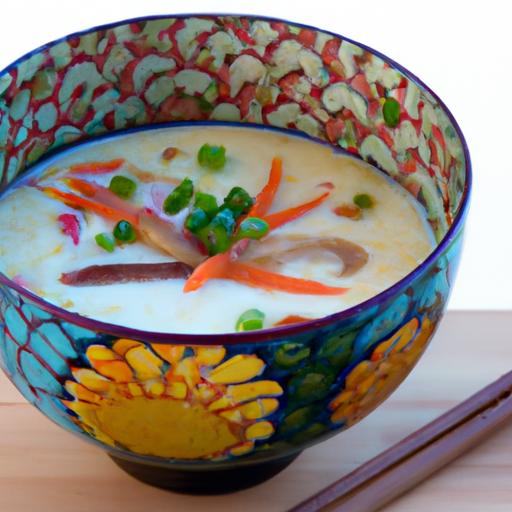

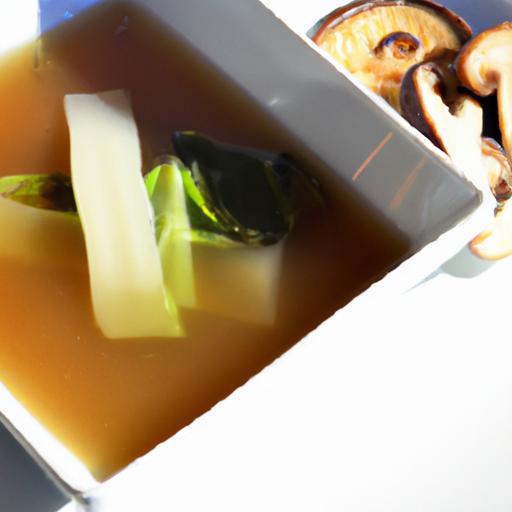
There’s something quietly enchanting about a warm bowl of miso soup-a delicate dance of umami richness and soothing comfort that transcends cultures and kitchens. For vegetarians, this humble broth becomes a canvas of endless possibilities, brimming with vibrant vegetables, fragrant herbs, and nourishing ingredients that elevate each spoonful to a festivity of flavor. In this guide,we’ll unlock the magic behind crafting the perfect vegetarian miso soup,exploring the secrets of traditional techniques and modern twists that honor both taste and tradition. Whether you’re a seasoned plant-based cook or just beginning your journey, prepare to savor the flavor and transform a simple dish into a soulful experience.
Savor the Flavor: A Guide to Vegetarian Miso Soup Magic
Savor the flavor of miso soup-an ancient, comforting elixir known for its delicate balance of umami and simple, fresh ingredients.This traditional Japanese dish has journeyed beyond its roots, becoming a beloved staple in vegetarian kitchens worldwide.Its magic lies in the marriage of fermented miso paste and wholesome vegetables, creating a harmonious broth that warms the soul and delights the palate with every sip.
Prep and Cook Time
- Planning: 15 minutes
- Cooking: 15 minutes
- Total Time: 30 minutes
yield
Serves 4 bowls
Difficulty Level
easy to Medium – perfect for beginners and seasoned cooks looking to deepen their mastery
Ingredients
- 4 cups vegetable broth (preferably homemade or low-sodium)
- 3 tablespoons white or yellow miso paste (ensure it’s vegetarian/vegan-friendly, avoiding varieties with fish stock)
- 1 cup diced firm tofu, pressed
- ½ cup sliced shiitake mushrooms, fresh
- 1 cup chopped baby spinach or wakame seaweed (rehydrated)
- 1 small carrot, julienned
- 2 green onions, thinly sliced
- 1 teaspoon toasted sesame oil
- 1 clove garlic, finely minced
- optional: a pinch of freshly ground white pepper
Instructions
- Prepare your broth base. heat the vegetable broth in a medium pot over medium heat until warm, being careful not to boil-it will mute the miso’s delicate flavors.
- Sauté aromatics. In a small pan, warm the sesame oil and gently sauté the minced garlic until fragrant, about 1 minute. Add the shiitake mushrooms,cooking until tender and lightly caramelized,about 5 minutes. Set aside.
- Dissolve the miso. In a small bowl, ladle about ½ cup of the warm broth. Whisk in the miso paste until fully suspended and smooth, ensuring no lumps remain.
- Combine and warm. Reduce the broth heat to low. Stir in the miso mixture slowly, then add the tofu, carrot, sautéed mushrooms, and seaweed or spinach.Simmer gently for 3-4 minutes to marry the flavors and soften the vegetables.
- Finish and taste. Remove from heat before boiling to preserve the probiotics in miso. Taste your soup and adjust seasoning with white pepper if desired.
- Serve immediately. Ladle into bowls and garnish with sliced green onions for vibrant colour and fresh crunch.
Chef’s Notes and Tips for Success
- choosing your miso: Look for certified vegetarian miso pastes that avoid bonito flakes or fish derivatives. White (shiro) miso provides a sweeter, milder flavor ideal for lighter soups, while red (aka) miso offers robust depth but can overpower delicate veggies.
- Texture balance: Incorporate contrasting textures-silky tofu, tender greens, and chewy mushrooms-to create a dynamic and satisfying bowl.
- Broth temperature: never boil after adding miso; this preserves its nuanced flavors and beneficial enzymes.
- Make-ahead tips: Prepare your broth and sautéed mushroom mix up to 2 days in advance. Add fresh greens and miso just before serving for maximum freshness.
- Variety swapping: Replace tofu with tempeh or add seasonal veggies like daikon radish or napa cabbage to keep your soup exciting and tailored to your pantry.
Creative Garnishes and Serving Suggestions
- Toasted sesame seeds and nori strips: Elevate visual appeal and boost nutty, oceanic notes.
- Fresh cilantro or shiso leaves: Add a shining herbal contrast.
- Crushed roasted peanuts or cashews: Introduce a crunchy surprise.
- A drizzle of chili-infused oil or yuzu kosho: For those craving a gentle spicy or citrus kick.
- Serve alongside steamed jasmine rice or delicate vegetable tempura: To complement the soup’s umami richness with varied textures.

| Nutrient | Per Serving |
|---|---|
| Calories | 110 |
| protein | 8g |
| carbohydrates | 7g |
| Fat | 5g |
For more savory vegetarian recipes that celebrate umami, explore our vegetarian Japanese recipes collection. Discover the rich world behind thes simple ingredients and unlock your soup’s full potential.
Q&A
Q&A: Savor the Flavor – A Guide to Vegetarian Miso Soup Magic
Q1: What makes miso soup a magical dish, especially for vegetarians?
A1: miso soup is like a warm, comforting hug in a bowl. Its magic lies in the fermented miso paste,which imparts a deep umami flavor that feels both nourishing and satisfying. For vegetarians, it’s a treasure trove of plant-based protein and probiotics, crafting a dish that’s both hearty and healthful without any animal products.
Q2: How can vegetarians ensure their miso soup is truly meat-free?
A2: Traditionally, miso soup uses dashi made from bonito flakes, which are fish-based. Vegetarians can swap this for kombu dashi-a broth brewed from kelp seaweed-or mushroom dashi made from dried shiitake mushrooms. These alternatives maintain that savory depth while keeping the soup 100% plant-based.
Q3: What types of miso paste work best for vegetarian miso soup?
A3: The three main miso types-white (shiro), red (aka), and mixed (awase)-all bring unique flair. White miso is sweet and mild, perfect for lighter broths. Red miso is robust and salty, ideal for a heartier, earthier soup. Mixed miso delivers a balanced umami punch. Feel free to experiment to find your perfect flavor magic.
Q4: Besides miso and broth, what vegetarian ingredients elevate miso soup?
A4: Tofu cubes add silkiness and protein, wakame seaweed infuses a subtle oceanic savor, and green onions lend freshness. For a creative twist, toss in mushrooms, daikon, baby spinach, or even sweet corn. These ingredients create layers of texture and flavor, turning a humble soup into a culinary delight.Q5: How should one prepare miso soup to preserve its delicate flavors?
A5: the secret is gentle heat and timing. Add miso paste at the very end, off the boil, to maintain its probiotics and nuanced taste. Stir it in slowly to dissolve fully, and serve immediately. Overcooking miso can dull its vibrant flavors, so patience and a light hand are key.
Q6: Can miso soup play a role beyond the bowl-like in fusion or other cuisines?
A6: Absolutely! Miso soup’s umami heart can inspire creative fusion dishes: think miso-glazed vegetables, miso marinades for tofu steaks, or even miso-infused salad dressings. Its versatility invites culinary explorers to savor the flavor in unexpected, magical ways.
Q7: Why is miso soup considered a health powerhouse for vegetarians?
A7: Beyond its taste, miso soup packs probiotics that support gut health, plant-based protein from soy, and a spectrum of vitamins and antioxidants from its seaweed and vegetable ingredients. It’s a delicious way to nurture body and soul-a truly magical addition to any vegetarian diet.
Dive in, stir gently, and savor every spoonful of your vegetarian miso soup magic!
Key Takeaways
As you embark on your own journey to savor the flavor of vegetarian miso soup, remember that this humble bowl is much more than a simple starter-it’s a warm embrace of tradition, nutrition, and endless creativity. Whether you choose silky tofu,vibrant seaweed,or a medley of seasonal vegetables,each spoonful offers a harmonious blend of umami that nourishes both body and soul. So, let your kitchen become a playground for experimentation, where the magic of miso transforms everyday ingredients into a comforting masterpiece. With every simmer and stir, you’re not just making soup-you’re crafting a timeless experience that celebrates the art of mindful eating and the beauty of plant-powered flavors. Happy sipping!