

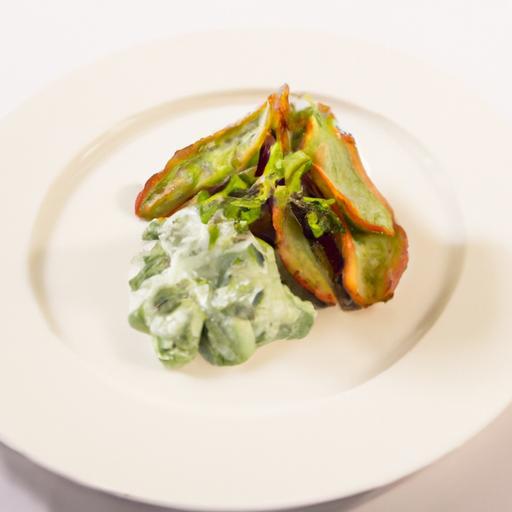
Beneath the soil’s quiet surface lies a story as rich and layered as the earth itself-a tale of conversion, resilience, and global connection. The potato, once a humble root tucked away in the Andean highlands, has journeyed far beyond its origins to become a cornerstone of cuisines worldwide. More than just a simple tuber, this unassuming vegetable has shaped cultures, economies, and even history.Join us as we unearth the potato’s remarkable voyage from ancient crop to indispensable staple,tracing its path across continents and centuries to the dinner plates of today.
The Potato’s Journey from its ancient roots in the Andean highlands to kitchens across the globe has not only reshaped agriculture but ignited culinary creativity worldwide. This humble tuber, once a staple for indigenous cultures, has inspired countless recipes and cooking techniques, reflecting a rich history and vibrant future. Today, as you prepare this classic Andean potato Tortilla, you’ll savor a dish that carries centuries of tradition and innovation on every bite.
Prep and Cook Time
- Preparation: 15 minutes
- Cooking: 25 minutes
- Total Time: 40 minutes
Yield
Serves 4
Difficulty Level
Medium – requires simple skills with frying and flipping
Ingredients
- 800g waxy potatoes (preferably Yukon Gold or andean varieties), peeled and thinly sliced
- 1 medium onion, finely sliced
- 4 large eggs, beaten
- 3 tbsp olive oil
- 1 tsp sea salt
- Freshly ground black pepper, to taste
- 1 garlic clove, minced (optional for aroma)
- Fresh parsley or chives, chopped, for garnish
Instructions
- Heat 2 tablespoons of olive oil in a large non-stick skillet over medium heat. Add the sliced potatoes and onions, seasoning with salt and pepper. Sauté gently, stirring occasionally, until the potatoes are tender but not browned, about 15 minutes. Reduce heat if needed to avoid crisping.
- In a mixing bowl, whisk the eggs with the minced garlic if using, and season lightly with salt and pepper.
- Drain excess oil from the skillet. Transfer the soft potatoes and onions to the bowl containing the beaten eggs.Fold gently to combine without breaking the potatoes.
- Wipe the skillet clean, return 1 tablespoon of olive oil, and warm over medium heat. Pour in the potato-egg mixture, spreading evenly. Cook for about 8 minutes until the edges begin to set and the bottom is golden brown.
- Carefully flip the tortilla with the help of a large plate or lid. Slide it back into the skillet and cook the other side for another 5-7 minutes, until fully set and lightly golden.
- Remove from heat and let rest for 3 minutes before slicing.
Chef’s Notes
- Use waxy potatoes for the best creamy texture; starchy potatoes can fall apart.
- To make flipping easier, ensure the skillet is non-stick and well oiled.
- For a heartier tortilla, add diced peppers or thin slices of cooked chorizo before cooking.
- Make-ahead tip: This tortilla is excellent cold or reheated-perfect for picnics and meal prep.
- Substitute olive oil with butter for a richer flavor, but monitor heat closely to prevent burning.
Serving Suggestions
Slice the tortilla into wedges and garnish with fresh parsley or chives. Serve alongside a crisp green salad with a drizzle of vinaigrette or a refreshing tomato gazpacho to balance its richness. For an authentic Andean experience,pair it with a glass of lightly chilled chicha, a traditional corn-based beverage.

| nutrient | Per serving |
|---|---|
| Calories | 280 kcal |
| Protein | 9 g |
| Carbohydrates | 30 g |
| Fat | 12 g |
Discover more about the fascinating evolution of potatoes and their cultural importance in our article Culinary History of the Potato.
Q&A
Q&A: The Potato’s Journey - From Humble Root to Global Staple Food
Q: Where did the potato originally come from?
A: The potato’s story begins high in the Andes Mountains of South America, where indigenous peoples first cultivated it over 7,000 years ago. This humble root thrived in the harsh, chilly terrain long before it became the star of dinner tables worldwide.
Q: How did the potato travel beyond South America?
A: The potato hitched a voyage across the Atlantic during the Spanish conquests of the 16th century. Brought back to Europe by explorers,it slowly rooted itself into various cultures,initially met with suspicion before its undeniable versatility and nutrition won hearts (and stomachs).Q: Why did it take so long for the potato to become popular in Europe?
A: At first, the potato’s unfamiliar appearance and association with nightshade plants bred mistrust. Some thought it was poisonous or fit only for livestock, while others were wary of its underground growth. Over time, famines and food shortages made people reconsider, and the potato’s ability to produce abundant calories in poor soil changed the game.
Q: How did the potato influence global history?
A: More than just a food, the potato played a starring role in history. Its calorie-rich yield helped sustain populations through tough times,fueling the growth of Europe’s burgeoning cities and armies. Paradoxically, dependence on the potato also led to crises, like the Irish Potato Famine, which reshaped demographics and migration patterns.
Q: What makes the potato such a nutritional powerhouse?
A: Packed with vitamins C and B6, potassium, and fiber, potatoes are a surprisingly nutritious root. Their complex carbohydrates provide steady energy, and their versatility means they can be mashed, baked, fried, or boiled without losing their goodness.
Q: How did the potato become a global staple beyond Europe?
A: As European powers expanded their empires, they took the potato along-introducing it to Asia, Africa, and beyond. Because it grows in diverse climates and soils, and yields heavily, it quickly became essential in feeding growing populations worldwide.
Q: What is the potato’s cultural significance today?
A: From Peruvian festivals celebrating its ancient roots to French fries in fast-food chains, the potato has woven itself into the cultural fabric of many societies. It’s a symbol of adaptability and sustenance, reminding us that great things frequently enough come from humble beginnings.
Q: What can the potato teach us about food security?
A: The potato’s journey highlights the importance of agricultural diversity and resilience.As climate change challenges global food systems, the potato’s ability to grow in less-than-ideal conditions makes it a candidate for future sustainable farming solutions.
Q: In what surprising ways is the potato still evolving?
A: Scientists and farmers continue to innovate-breeding varieties resistant to diseases, developing biofortified potatoes with enhanced nutrients, and even exploring the potato’s potential as a renewable resource beyond food, such as in biodegradable packaging and biofuel.
Q: So, what’s the lasting legacy of the potato?
A: From a wild root hidden in the Andes to a global culinary superstar, the potato’s journey speaks to human ingenuity, adaptability, and survival. Its story reminds us that sometimes, the simplest foods nourish not only our bodies but also cultures, economies, and histories.
In Summary
From the quiet soil where the first potato sprouted to the bustling markets of today’s cities, this humble tuber has traveled a remarkable path. Its journey is more than just the story of a root; it’s a testament to human innovation, resilience, and cultural exchange.As the potato continues to nourish millions around the globe, it serves as a humble reminder that even the simplest of foods can shape history, economies, and everyday life. So, the next time you enjoy a crispy fry or a comforting mash, remember – you’re partaking in a centuries-old voyage of flavor and survival that started beneath the earth and blossomed onto the world stage.